




This therapist directory is offered in partnership with BetterHelp. If you sign up for therapy after clicking through from this site, HelpGuide will earn a commission. This helps us continue our nonprofit mission and continue to be there as a free mental health resource for everyone.
Need to talk to someone now? Find a crisis helpline
If you're a BetterHelp therapist with questions about your directory listing, please contact therapists@betterhelp.com
Ready to stop smoking? These tips will help you kick the cigarette habit for good.
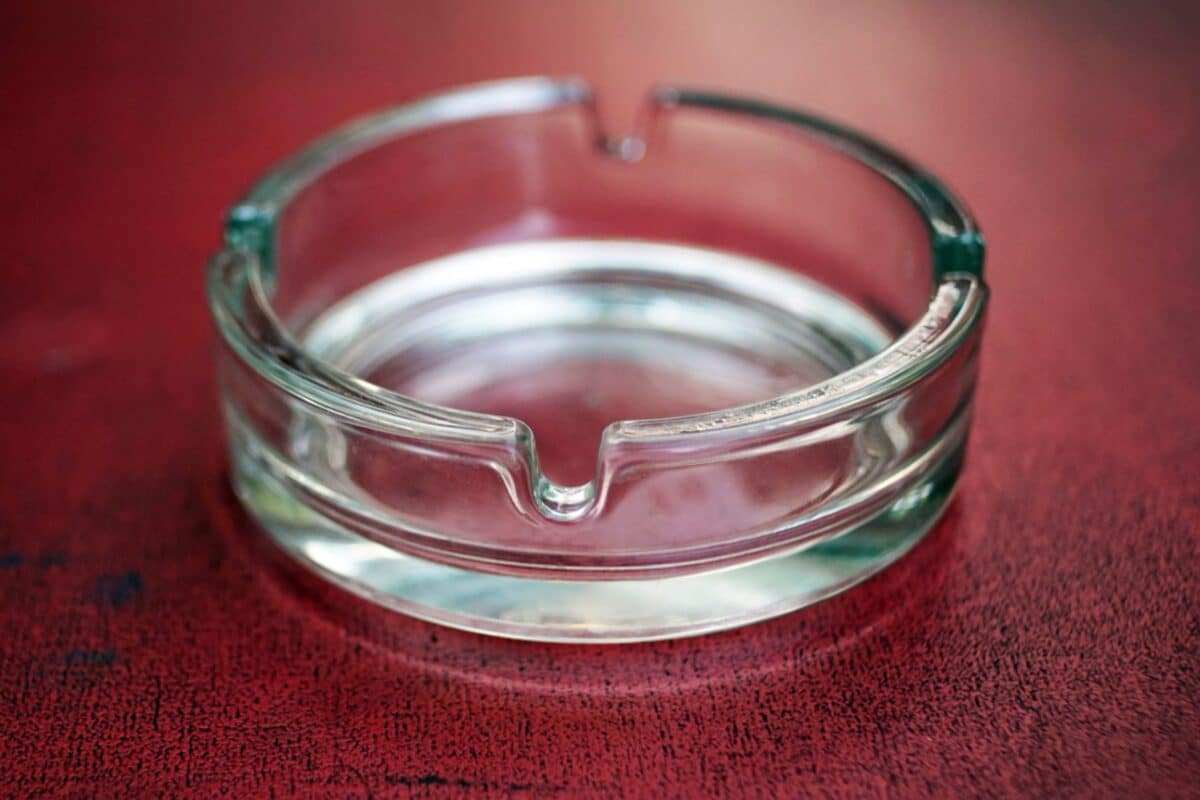
We all know the health risks of smoking, but that doesn’t make it any easier to kick the habit. Whether you’re an occasional teen smoker or a lifetime pack-a-day smoker, quitting can be really tough.
Smoking tobacco is both a physical addiction and a psychological habit. The nicotine from cigarettes provides a temporary—and addictive—high. Eliminating that regular fix of nicotine causes your body to experience physical withdrawal symptoms and cravings. Because of nicotine’s “feel good” effect on the brain, you may turn to cigarettes as a quick and reliable way to boost your outlook, relieve stress, and unwind. Smoking can also be a way of coping with depression, anxiety, or even boredom. Quitting means finding different, healthier ways to cope with those feelings.
Smoking is also ingrained as a daily ritual. It may be an automatic response for you to smoke a cigarette with your morning coffee, while taking a break at work or school, or on your commute home at the end of a hectic day. Or maybe your friends, family, or colleagues smoke, and it’s become part of the way you relate with them.
To successfully stop smoking, you’ll need to address both the addiction and the habits and routines that go along with it. But it can be done. With the right support and quit plan, any smoker can kick the addiction—even if you’ve tried and failed multiple times before.
As soon as you put down a cigarette, your body is already working to repair the damage. Some of the healing happens within minutes. Other benefits begin to appear over the span of years. Knowing what’s coming next can make the hardest days easier to push through.
The benefits aren’t limited to avoiding disease. A 2025 article published in the Journal of Clinical Medicine notes that people who quit before middle age can regain nearly a decade of life expectancy. Even if you quit later in life, you’ll see a meaningful drop in your risk of dying prematurely.
While some smokers successfully quit by going cold turkey, most people do better with a tailored plan to keep themselves on track. A good quit plan addresses both the short-term challenge of stopping smoking and the long-term challenge of preventing relapse. It should also be tailored to your specific needs and smoking habits.
Take the time to think of what kind of smoker you are, which moments of your life call for a cigarette, and why. This will help you to identify which tips, techniques, or therapies may be most beneficial for you.
Are you a very heavy smoker (more than a pack a day)? Or are you more of a social smoker? Would a simple nicotine patch do the job?
Are there certain activities, places, or people you associate with smoking? Do you feel the need to smoke after every meal or whenever you break for coffee?
Do you reach for cigarettes when you’re feeling stressed or down? Or is your cigarette smoking linked to other addictions, such as alcohol or gambling?
S = Set a quit date.
Choose a date within the next two weeks, so you have enough time to prepare without losing your motivation to quit. If you mainly smoke at work, quit on the weekend, so you have a few days to adjust to the change.
T = Tell family, friends, and co-workers that you plan to quit.
Let your friends and family in on your plan to quit smoking and tell them you need their support and encouragement to stop. Look for a quit buddy who wants to stop smoking as well. You can help each other get through the rough times.
A = Anticipate and plan for the challenges you’ll face while quitting.
Most people who begin smoking again do so within the first three months. You can help yourself make it through by preparing ahead for common challenges, such as nicotine withdrawal and cigarette cravings.
R = Remove cigarettes and other tobacco products from your home, car, and work.
Throw away all of your cigarettes, lighters, ashtrays, and matches. Wash your clothes and freshen up anything that smells like smoke. Shampoo your car, clean your drapes and carpet, and steam your furniture.
T = Talk to your doctor about getting help to quit.
Your doctor can prescribe medication to help with withdrawal symptoms. If you can’t see a doctor, you can get many products over the counter at your local pharmacy, including nicotine patches, lozenges, and gum.
BetterHelp is an online therapy service that matches you to licensed, accredited therapists who can help with depression, anxiety, relationships, and more. Take the assessment and get matched with a therapist in as little as 48 hours.
Take Assessment HelpGuide is user supported. We earn a commission if you sign up for BetterHelp’s services after clicking through from this site. Learn moreOne of the best things you can do to help yourself quit is to identify the things that make you want to smoke, including specific situations, activities, feelings, and people.
A craving journal can help you zero in on your patterns and triggers. For a week or so leading up to your quit date, keep a log of your smoking. Note the moments in each day when you crave a cigarette:
Many of us smoke to manage unpleasant feelings such as stress, depression, loneliness, and anxiety. When you have a bad day, it can seem like cigarettes are your only friend. As much comfort as cigarettes provide, though, it’s important to remember that there are healthier and more effective ways to keep unpleasant feelings in check. These may include exercising, meditating, relaxation strategies, or simple breathing exercises.
For many people, an important aspect of giving up smoking is to find alternate ways to handle these difficult feelings without turning to cigarettes. Even when cigarettes are no longer a part of your life, the painful and unpleasant feelings that may have prompted you to smoke in the past will still remain. So it’s worth spending some time thinking about the different ways you intend to deal with stressful situations and the daily irritations that would normally have you lighting up.
Alcohol. Many people smoke when they drink. Try switching to non-alcoholic drinks or drink only in places where smoking inside is prohibited. Alternatively, try snacking on nuts, chewing on a cocktail stick or sucking on a straw.
Other smokers. When friends, family, and co-workers smoke around you, it can be doubly difficult to give up or avoid relapse. Talk about your decision to quit so people know they won’t be able to smoke when you’re in the car with them or taking a coffee break together. In your workplace, find non-smokers to have your breaks with or find other things to do, such as taking a walk.
End of a meal. For some smokers, ending a meal means lighting up, and the prospect of giving that up may appear daunting. However, you can try replacing that moment after a meal with something else, such as a piece of fruit, a healthy dessert, a square of chocolate, or a stick of gum.
Once you stop smoking, you’ll likely experience a number of physical symptoms as your body withdraws from nicotine. Nicotine withdrawal begins quickly, usually starting within an hour of the last cigarette and peaking two to three days later. Withdrawal symptoms can last for a few days to several weeks and differ from person to person.
As unpleasant as these withdrawal symptoms may be, it’s important to remember that they are only temporary. They will get better in a few weeks as the toxins are flushed from your body. In the meantime, let your friends and family know that you won’t be your usual self and ask for their understanding.
While avoiding smoking triggers will help reduce your urge to smoke, you probably can’t avoid cigarette cravings entirely. Fortunately, cravings don’t last long—typically, about 5 or 10 minutes. If you’re tempted to light up, remind yourself that the craving will soon pass and try to wait it out. It helps to be prepared in advance by having strategies to cope with cravings.
Distract yourself. Do the dishes, turn on the TV, take a shower, or call a friend. The activity doesn’t matter as long as it gets your mind off smoking.
Remind yourself why you quit. Focus on your reasons for quitting, including the health benefits (lowering your risk for heart disease and lung cancer, for example), improved appearance, money you’re saving, and enhanced self-esteem.
Get out of a tempting situation. Where you are or what you’re doing may be triggering the craving. If so, a change of scenery can make all the difference.
Reward yourself. Reinforce your victories. Whenever you triumph over a craving, give yourself a reward to keep yourself motivated.
Find an oral substitute – Keep other things around to pop in your mouth when cravings hit. Try mints, carrot or celery sticks, gum, or sunflower seeds. Or suck on a drinking straw.
Keep your mind busy – Read a book or magazine, listen to some music you love, do a crossword or Sudoku puzzle, or play an online game.
Keep your hands busy – Squeeze balls, pencils, or paper clips are good substitutes to satisfy that need for tactile stimulation.
Brush your teeth – The just-brushed, clean feeling can help banish cigarette cravings.
Drink water – Slowly drink a large glass of water. Not only will it help the craving pass, but staying hydrated helps minimize the symptoms of nicotine withdrawal.
Light something else – Instead of lighting a cigarette, light a candle or some incense.
Get active – Go for a walk, do some jumping jacks or pushups, try some yoga stretches, or run around the block.
Try to relax – Do something that calms you down, such as taking a warm bath, meditating, reading a book, or practicing deep breathing exercises.
Go somewhere smoking is not permitted – Step into a public building, store, mall, coffee shop, or movie theatre, for example.
Smoking acts as an appetite suppressant, so gaining weight is a common concern for many of us when we decide to give up cigarettes. You may even be using it as a reason not to quit. While it’s true that many smokers put on weight within six months of stopping smoking, the gain is usually small—about five pounds on average—and that initial gain decreases over time. It’s also important to remember that carrying a few extra pounds for a few months won’t hurt your heart as much as smoking does. However, gaining weight is NOT inevitable when you stop smoking.
Smoking dampens your sense of smell and taste, so after you quit food will often seem more appealing. You may also gain weight if you replace the oral gratification of smoking with eating unhealthy comfort foods. Therefore, it’s important to find other, healthy ways to deal with unpleasant feelings such as stress, anxiety, or boredom rather than mindless, emotional eating.
Nurture yourself. Instead of turning to cigarettes or food when you feel stressed, anxious, or depressed, learn new ways to quickly soothe yourself. Listen to uplifting music, play with a pet, or sip a cup of hot tea, for example.
Eat healthy, varied meals. Eat plenty of fruit, vegetables, and healthy fats. Avoid sugary food, sodas, fried, and convenience food.
Learn to eat mindfully. Emotional eating tends to be automatic and virtually mindless. It’s easy to polish off a tub of ice cream while zoning out in front of the TV or staring at your phone. But by removing distractions when you eat, it’s easier to focus on how much you’re eating and tune into your body and how you’re really feeling. Are you really still hungry or eating for another reason?
Drink lots of water. Drinking at least six to eight 8 oz. glasses will help you feel full and keep you from eating when you’re not hungry. Water will also help flush toxins from your body.
Take a walk. Not only will it help you burn calories and keep the weight off, but it will also help alleviate feelings of stress and frustration that accompany smoking withdrawal.
Snack on guilt-free foods. Good choices include sugar-free gum, carrot and celery sticks, or sliced bell peppers or jicama.
There are many different methods that have successfully helped people to kick the smoking habit. While you may be successful with the first method you try, more likely you’ll have to try a number of different methods or a combination of treatments to find the ones that work best for you.
Smoking cessation medications can ease withdrawal symptoms and reduce cravings. They are most effective when used as part of a comprehensive stop smoking program monitored by your physician. Talk to your doctor about your options and whether an anti-smoking medication is right for you. The U.S. Food and Drug Administration (FDA) approved options are:
Nicotine replacement therapy. Nicotine replacement therapy involves “replacing” cigarettes with other nicotine substitutes, such as nicotine gum, patch, lozenge, inhaler, or nasal spray. It relieves some of the withdrawal symptoms by delivering small and steady doses of nicotine into your body without the tars and poisonous gases found in cigarettes. This type of treatment helps you focus on breaking your psychological addiction and makes it easier to concentrate on learning new behaviors and coping skills.
Most NRT is available without a prescription. In addition, you can safely combine different products to help you manage your cravings.
Non-nicotine medication. These medications help you stop smoking by reducing cravings and withdrawal symptoms without the use of nicotine. Medications such as bupropion (Zyban) and varenicline (Chantix, Champix) are intended for short-term use only.
A 2023 systematic review of 75 studies found that varenicline was more effective at helping people quit smoking than bupropion. The research, published in Cochrane Library, also showed that varenicline was also more effective than single-form nicotine replacement therapy.
While some people find that vaping can help them to stop smoking, the FDA has not approved vaping as a method of smoking cessation. Unlike nicotine patches, gum, varenicline, and bupropion, no e-cigarette product has received FDA authorization specifically as a quit-smoking aid. Here’s what you need to know:
Ongoing research in the Cochrane Database of Systematic Reviews indicates that that nicotine e-cigarettes can increase quit rates, perhaps even more than NRT. On the other hand, a 2025 study published on JAMA Network Open reached a different conclusion: vaping can prolong nicotine dependence, as some people become “dual users” of cigarettes and vapes.
If you do decide to use e-cigarettes as part of a broader cessation plan, think of them as a step toward quitting nicotine altogether, not a permanent alternative to smoking.
To learn more, read: Vaping: The Health Risks and How to Quit
There are several things you can do to stop smoking that don’t involve nicotine replacement therapy, vaping, or prescription medications. These include:
Hypnosis – This is a popular option that has produced good results for many smokers struggling to quit. Forget anything you may have seen from stage hypnotists, hypnosis works by getting you into a deeply relaxed state where you are open to suggestions that strengthen your resolve to stop smoking and increase your negative feelings toward cigarettes.
Acupuncture – One of the oldest known medical techniques, acupuncture is believed to work by triggering the release of endorphins (natural pain relievers) that allow the body to relax. As a smoking cessation aid, acupuncture can be helpful in managing smoking withdrawal symptoms.
Behavioral Therapy – Nicotine addiction is related to the habitual behaviors or rituals involved in smoking. Behavior therapy focuses on learning new coping skills and breaking those habits.
Motivational Therapies – Self-help books and websites can provide a number of ways to motivate yourself to give up smoking. One well known example is calculating the monetary savings. Some people have been able to find the motivation to quit just by calculating how much money they will save. It may be enough to pay for a summer vacation.
Smokeless tobacco, otherwise known as spit or chewing tobacco, is not a safe alternative to smoking cigarettes. It contains the same addictive chemical, nicotine, contained in cigarettes. In fact, the amount of nicotine absorbed from smokeless tobacco can be 3 to 4 times the amount delivered by a cigarette.
Most people try to stop smoking several times before they kick the habit for good, so don’t beat yourself up if you slip up and smoke a cigarette. Instead, turn the relapse into a rebound by learning from your mistake. Analyze what happened right before you started smoking again, identify the triggers or trouble spots you ran into, and make a new stop-smoking plan that eliminates them.
It’s also important to emphasize the difference between a slip and a relapse. If you start smoking again, it doesn’t mean that you can’t get back on the wagon. You can choose to learn from the slip and let it motivate you to try harder or you can use it as an excuse to go back to your smoking habit. But the choice is yours. A slip doesn’t have to turn into a full-blown relapse.
You’re not a failure if you slip up. It doesn’t mean you can’t quit for good.
Don’t let a slip become a mudslide. Throw out the rest of the pack. It’s important to get back on the non-smoking track as soon as possible.
Look back at your quit log and feel good about the time you went without smoking.
Find the trigger. Exactly what was it that made you smoke again? Decide how you will cope with that issue the next time it comes up.
Learn from your experience. What has been most helpful? What didn’t work?
Are you using a medicine to help you quit? Call your doctor if you start smoking again. Some medicines cannot be used if you’re smoking at the same time.
It’s important to remember that you cannot make a friend or loved one give up cigarettes; the decision has to be theirs. But if they do make the decision to stop smoking, you can offer support and encouragement and try to ease the stress of quitting. Investigate the different treatment options available and talk them through with the smoker; just be careful never to preach or judge. You can also help a smoker overcome cravings by pursuing other activities with them, and by keeping smoking substitutes, such as gum, on hand.
If a loved one slips or relapses, don’t make them feel guilty. Congratulate them on the time they went without cigarettes and encourage them to try again. Your support can make all the difference in helping your loved one eventually kick the habit for good.
Most smokers try their first cigarette around the age of 11, and many are addicted by the time they turn 14. The use of e-cigarettes (vaping) has also soared dramatically in recent years. While the health implications of vaping aren’t yet fully known, the FDA warns that it’s not safe for teens and we do know that teens who vape are more likely to begin smoking cigarettes.
[Read: Vaping: The Health Risks and How to Quit]
This can be worrying for parents, but it’s important to appreciate the unique challenges and peer pressure teens face when it comes to quitting smoking (or vaping). While the decision to give up has to come from the teen smoker him- or herself, there are still plenty of ways for you to help.
Visit Smokefree.gov or call the quitline at 1-800-784-8669.
Take steps NOW to stop smoking or call the helpline at 0300 123 1044.
Visit Health Canada or call the helpline at 1-866-366-3667.
QuitNow or call 13 7848.
Nicotine Anonymous offers a 12-Step program modeled after Alcoholics Anonymous with meetings in many different countries.
The power of the relaxation response to reduce stress and boost mood



A guide to alcohol addiction treatment services
The different options and what they offer

The different options and how they work

Cutting down on alcohol doesn’t have to mean losing your social life


Millions of readers rely on HelpGuide.org for free, evidence-based resources to understand and navigate mental health challenges. Please donate today to help us save, support, and change lives.
Donate to HelpGuide.org today