


Illness & Disability
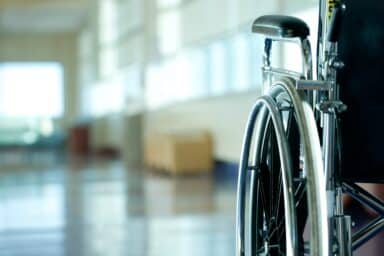
How to Exercise with Limited Mobility
Chair exercises and fitness tips for people with injuries or disabilities


This therapist directory is offered in partnership with BetterHelp. If you sign up for therapy after clicking through from this site, HelpGuide will earn a commission. This helps us continue our nonprofit mission and continue to be there as a free mental health resource for everyone.
Need to talk to someone now? Find a crisis helpline
If you're a BetterHelp therapist with questions about your directory listing, please contact therapists@betterhelp.com
Health is often taken for granted, until it’s gone. Whether you’re coping with a disability, a serious illness, or the strain of caregiving, these guides and resources can provide you with hope and strategies for coping with challenges.
View FAQs
Chair exercises and fitness tips for people with injuries or disabilities
How to overcome challenges and build a fulfilling life

Dealing with a diagnosis of cancer, heart disease, or other serious illness
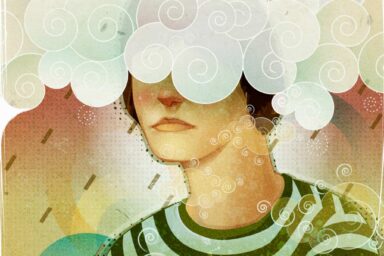
How hearing loss or damage can affect your mental well-being


Managing anxiety and making the most of your time with a healthcare provider

How to manage pain and improve your mood and outlook

An intellectual disability is an impairment that affects a person’s ability to learn, problem-solve, make judgments, or adapt to daily circumstances. As well as having learning difficulties, someone with an intellectual disability might have a difficult time getting dressed or eating without the aid of a caretaker, for example. Some intellectual disabilities are the result of head injuries, infections, or other conditions that occurred during or after birth. Others, such as Down syndrome, are associated with genetic disorders.
A disability is any condition that makes it harder for a person to do certain activities, or limits their ability to engage with the world. The term can cover a broad range of conditions. A physical disability, such as the loss of a limb, for example, may limit your movement, while deafness may affect how you communicate. It’s also possible to have a psychiatric disability, such as depression, anxiety, or schizophrenia, all of which can impair your ability to work, socialize, or complete other daily tasks. People with disabilities may be eligible for certain benefits and accommodations, depending on local laws.
Many people experience extreme tiredness, or fatigue, as a symptom of COVID-19. You may feel too physically exhausted to get out of bed or too mentally exhausted to read or hold long conversations. Energy levels tend to bounce back as you recover. However, in some cases, post-acute COVID-19 syndrome (also known as PACS or long-COVID) may develop, and the fatigue can linger for weeks or months. This can be particularly stressful and frustrating if you’re eager to get back to your normal routine and responsibilities.
Hypertension, or high blood pressure, is a condition in which blood consistently moves through arteries with too much force. A blood pressure measurement has two components: systolic blood pressure (the pressure as blood is pumping out of the heart) and diastolic blood pressure (the pressure as your heart rests between beats). If you have hypertension, your systolic blood pressure will be higher than 130 mm HG, or your diastolic blood pressure will be higher than 80 mm Hg. The condition doesn’t usually come with symptoms, but it can lead to life-threatening problems like stroke, heart attack, and dementia. Lifestyle changes and professional treatment can often help to lower blood pressure.
Munchausen’s syndrome is rare condition where a person fakes symptoms of an illness, or intentionally induces the symptoms. They might lie to other people about their symptoms or intentionally make themselves sick by misusing medication. The behavior is often an attempt to gain sympathy or attention from others. Munchausen’s syndrome by proxy, or factitious disorder imposed on another (FDIA), is a related condition where a person lies about the symptoms of someone under their care, such as a child.