



This therapist directory is offered in partnership with BetterHelp. If you sign up for therapy after clicking through from this site, HelpGuide will earn a commission. This helps us continue our nonprofit mission and continue to be there as a free mental health resource for everyone.
Need to talk to someone now? Find a crisis helpline
If you're a BetterHelp therapist with questions about your directory listing, please contact therapists@betterhelp.com
Are worries, fears, or panic attacks making it hard to function or enjoy life? Learn about the various types of anxiety disorders and their symptoms, and what you can do to take back control and regain your peace of mind.
View FAQs

Learn about common side effects, risks, and taking medication responsibly





Tips for recognizing, confronting, and breaking free of phobias

Signs and symptoms of anxiety can include racing thoughts, difficulty concentrating, sleep problems, physical tension, trembling, rapid heartbeat, dizziness, and body aches. These symptoms can vary based on the type of anxiety disorder you have. For example, people with panic disorder may experience frequent panic attacks, while those with a phobia may avoid a specific triggers, such as dogs, heights, or needles.
Agoraphobia is a fear of being in open spaces or crowded situations that make it difficult to escape or receive aid. It often develops as a complication of panic attacks and panic disorder. You may fear having a panic attack at a difficult or embarrassing moment, such as during a big social gathering or traveling on a plane or train. If you have this anxiety disorder, your desire to avoid these types of situations can impair you daily functioning. You might pass up on a job opportunity that requires commuting by train, for example, or decline a social invitation for fear of having a panic attack.
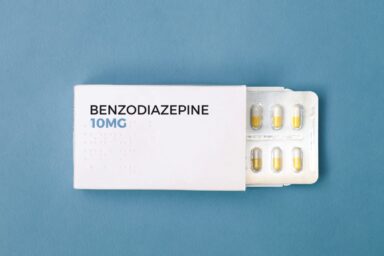
Various types of medications work for anxiety, including:
A panic attack is a sudden and intense bout of fear. It can strike without warning and may peak within 10 to 20 minutes before subsiding. Symptoms can include physical signs of anxiety, such as chest pain, pounding heart, trembling, and dizziness. A panic attack can also involve feelings of detachment from reality or a sense of impending doom. The feeling is so discomforting that recalling a previous attack may trigger a new one. Recurring panic attacks are a sign of panic disorder.
While anxiety attack isn’t listed in the Diagnostic and Statistical Manual of Mental Disorders (DSM-5), the term may be used to describe a panic attack or a milder episode of sudden anxiousness.
Some studies show that cannabidiol (CBD), the active ingredient in cannabis, may be an option for treating certain types of anxiety, such as social anxiety. It also seems to come with few adverse side effects. However, more research is needed to better understand the safety and effectiveness of the drug. Due to gaps in knowledge about CBD, it is not always recommended by experts. For example, as of 2022, the U.S. Food and Drug Administration (FDA) has only approved one CBD product and it’s a drug that treats seizures.