



This therapist directory is offered in partnership with BetterHelp. If you sign up for therapy after clicking through from this site, HelpGuide will earn a commission. This helps us continue our nonprofit mission and continue to be there as a free mental health resource for everyone.
Need to talk to someone now? Find a crisis helpline
If you're a BetterHelp therapist with questions about your directory listing, please contact therapists@betterhelp.com
Food plays an important role in either supporting or undermining your physical and mental health. Learn about nutrition, making better choices, and how to maintain healthy eating habits while still enjoying food and life.
View FAQs
This diet can help fight heart disease, diabetes, cognitive decline, and more


How choosing healthier carbs can improve your health and waistline

Eating right to look and feel your best at every stage of your life


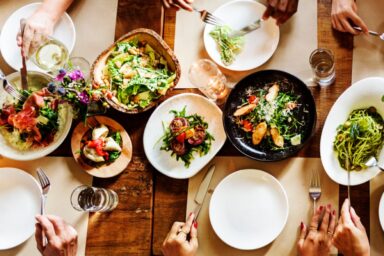
When looking for the best healthy snacks, focus on fruit, veggies, and snacks containing “healthy carbs.” Try snacking on a handful of nuts, such as peanuts and cashews, or a bowl of berries. Slices of bell pepper, carrots, or celery can also be healthy options. Dip them in hummus or guacamole for added taste, or include them on a snack tray with sliced apples or pears. Try to limit processed and sugary snacks, such as candy and cookies, even though they can be enticing and convenient.
Nut butter on whole wheat bread or hummus with chopped-up celery and carrots are examples of healthy snacks for kids. You could also offer up Greek yogurt with fresh berries for a sweet treat. Another option is to make frozen fruit kabobs and incorporate slices of banana, chunks of pineapple, and whole grapes or berries. Let your children have a role in selecting the snack ingredients, so they can get some practice in making healthy decisions for themselves.
A healthy gut contains more good than harmful bacteria. Research shows that plant-based diets contribute to diverse and beneficial bacteria in the gut. Even if you don’t want to go fully vegan or vegetarian, adding more vegetables to your diet can be beneficial. Fiber is also important to gut health, so look for opportunities to add high-fiber foods, such as legumes and whole grains, to your meals. Other factors, such as stress and sleep deprivation, can have negative effects on your gut health, so try to get enough rest and relaxation.
Aim to start your day with a nutrient-dense meal that can kickstart your metabolism and provide energy throughout the morning. Some healthy breakfast items include fresh fruit, nuts, oatmeal, and Greek yogurt. You can blend these items together into a smoothie for a quick, on-the-go option. Another fast option is whole wheat toast with your favorite nut butter. You could also choose to top the toast with other ingredients, such as eggs, tomatoes, spinach, or avocado.
Fast food is typically loaded with calories, sodium, and unhealthy fat so making healthy choices is rarely easy. While choosing the healthiest fast food can depend on your specific dietary needs, there are some general guidelines that can help. Start by reviewing the menu and nutritional information before you order. Try to limit your order to fewer than 500 calories, and avoid fried foods and high-sodium options whenever possible. Foods that are high in protein and fiber will fill you up for longer without the energy crash that follows meals that are high in carbs. Go easy on sweet drinks and condiments as they can add lots of empty calories and sugar to your meal.