




This therapist directory is offered in partnership with BetterHelp. If you sign up for therapy after clicking through from this site, HelpGuide will earn a commission. This helps us continue our nonprofit mission and continue to be there as a free mental health resource for everyone.
Need to talk to someone now? Find a crisis helpline
If you're a BetterHelp therapist with questions about your directory listing, please contact therapists@betterhelp.com
Interested in moving to a retirement home, independent living facility, or senior living community? Explore your options and learn how to make the best choice for your needs.
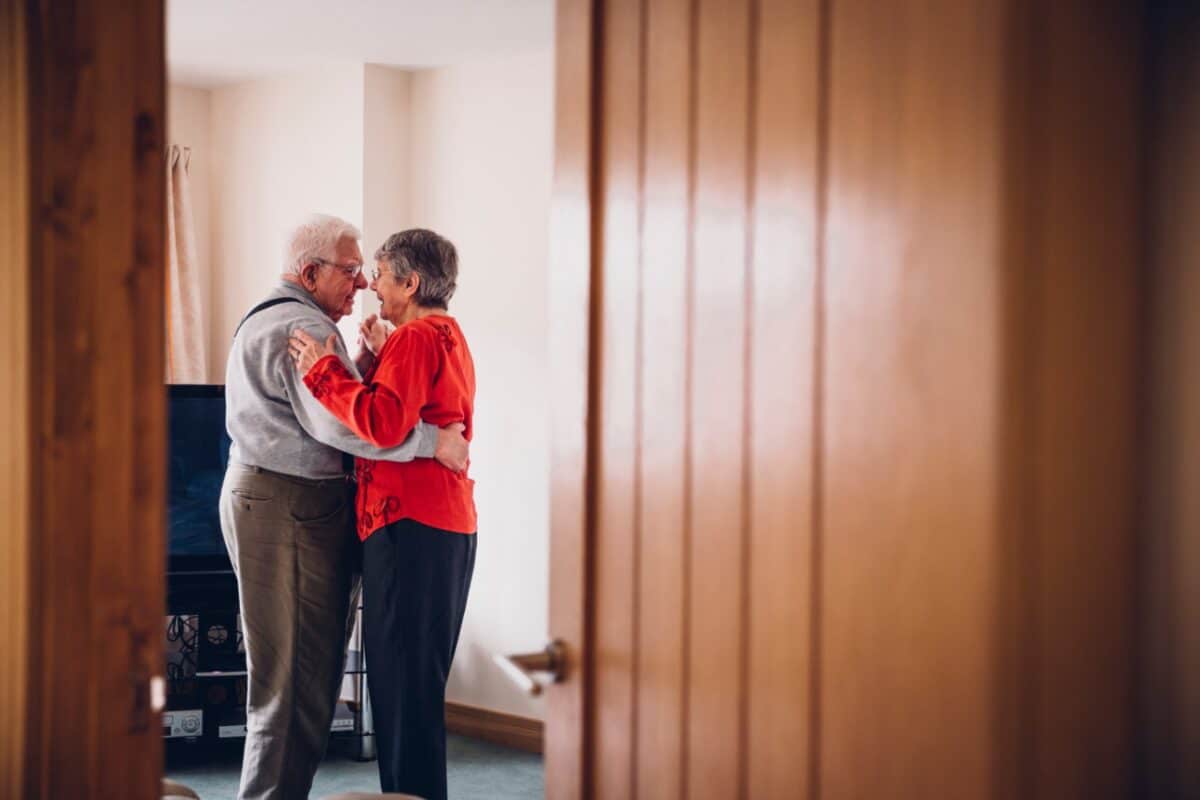
Independent living is simply any housing arrangement designed exclusively for older adults, generally those aged 55 and over. Housing varies widely, from apartment-style living to single-family detached homes. In general, the housing is friendlier to aging adults, often being more compact, with easier navigation and no maintenance or yard work to worry about.
While residents live independently, most communities offer amenities, activities, and services. Often, recreational centers or clubhouses are available on site to give you the opportunity to connect with peers and participate in community activities, such as arts and crafts, holiday gatherings, continuing education classes, or movie nights.
Independent living facilities may also offer facilities such as a swimming pool, fitness center, tennis courts, even a golf course or other clubs and interest groups. Other services offered may include onsite spas, beauty and barber salons, daily meals, and basic housekeeping and laundry services.
Since independent living facilities are aimed at older adults who need little or no assistance with activities of daily living, most do not offer medical care or nursing staff. You can, however, hire in-home help separately as required.
As with any change in living situation, it’s important to plan ahead and give yourself time and space to cope with change. By using these tips, you can find an independent living arrangement that makes your life easier, prolongs your independence, and enables you to thrive in your retirement.
BetterHelp is an online therapy service that matches you to licensed, accredited therapists who can help with depression, anxiety, relationships, and more. Take the assessment and get matched with a therapist in as little as 48 hours.
Take Assessment HelpGuide is user supported. We earn a commission if you sign up for BetterHelp’s services after clicking through from this site. Learn moreThere are many types of independent living facilities, from apartment complexes to stand-alone houses, which range in cost and the services provided.
Low-income or subsidized senior housing. In the U.S., for example, there are senior housing complexes subsidized by the U.S. Department of Housing and Urban Development (HUD) for low-income seniors.
Senior apartments or congregate care housing. These are apartment complexes restricted by age, usually 55 or 62 and older. Rent may include community services such as recreational programs, transportation services, and meals served in a communal dining room.
Retirement homes/retirement communities. Retirement communities are groups of housing units restricted for those over a certain age, often 55 or 62. These housing units can be single-family homes, duplexes, mobile homes, townhouses, or condominiums. If you decide to buy a unit, additional monthly fees may cover services such as outside maintenance, recreation centers, or clubhouses.
Continuing Care Retirement Communities (CCRCs). If you or your spouse are relatively healthy now, but anticipate significant health problems down the line, you may want to consider a CCRC. These facilities offer a spectrum of care from independent living to nursing home care in the same community. If residents begin to need help with activities of daily living, for example, they can transfer from independent living to an assisted living or skilled nursing facility on the same site. The main benefit of a CCRC is that you only need to relocate once to a new environment and can maintain your independence for as long as possible.
The key difference between independent living and other housing options is the level of assistance offered for daily living activities. If you require round-the-clock help with eating, dressing, and using the bathroom, or require regular medical assistance, other housing options such as assisted living facilities or nursing homes may be a better fit. To learn more, read Senior Housing Options.
As you get older, any housing change can seem like you’re losing some independence. However, as the name suggests, independent living is more about making your life easier than giving up your independence. Sometimes, acknowledging your limitations—that you’re unable to manage the upkeep of your existing home, for example—and accepting some assistance now may help you maintain your regular independent routine for longer.
Moving to an independent living facility or retirement community means losing independence.
Independent living is about preserving your independence for longer by making life easier. You’ll enjoy the privacy of your own home, filled with your own furniture and possessions, and spend your days as you choose. While you’ll maintain your independence, you’ll lose the stress of maintenance and upkeep.
Living away from friends and family means there’s no one around to help during an emergency.
Independent living facilities usually have 24-hour staff who can quickly and easily provide help if you ever need it. Most retirement facilities also offer safety measures to make you feel more secure in your living space, especially if you live alone.
Moving to independent living means giving up hobbies and interests.
Most independent living facilities offer a wide range of different activities and social events tailored to your needs and interests—from sports and fitness programs to gardening, book clubs, cards, arts and crafts, and adult education classes. Many older adults find that they’re actually more active and social when they move to an independent living facility, helping them feel healthier, happier, and less isolated.
To help decide if independent living is the right choice for you, answer the following four questions:
Maintaining a home may be a longstanding source of pride for you, but it can also become a burden as you age. Perhaps your home has a large yard which requires constant maintenance, or maybe it’s becoming more difficult to clean those extra rooms that are rarely used. If your home is difficult to access, such as on a steep hill or up several flights of stairs, it may be harder for you to leave your home as often you’d like, leading to more isolation. Or increased crime may mean that your neighborhood is now too dangerous to walk around safely.
Some of these challenges may be partially remedied by hiring outside help, remodeling parts of your home, or by other family members lending assistance. However, if you’d like a place that does not require a lot of maintenance and upkeep, independent living may give you more freedom and flexibility in the long run.
The more isolated you are, the greater your risk for depression and other mental health problems. You may have a difficult time getting out of the house, perhaps due to trouble driving or increased mobility issues. Or your friends and neighbors may be busy with other work or family commitments, or the neighborhood may not be easy to get around. While the phone and Internet can help, nothing can take the place of face-to-face human connection.
Independent living facilities can give you a built-in social network of peers, while many also provide structured activities such as sports, arts, or field trips.
You may live in an area where you have to drive to attend social activities, visit friends, and shop. If you find yourself less comfortable with driving, you may find yourself relying more and more on public transportation or family and friends to get around. It may be harder to visit others, pursue activities you enjoy, or keep doctors’ appointments.
As well as onsite amenities, many independent living or retirement communities also offer convenient transportation options to outside activities.
It’s important to consider your current and future health. For example, if you have a health condition that makes it difficult to stay active and will most likely worsen with time, it’s good to consider your options carefully. It’s also important to consider the health of your spouse if you are married.
Can you manage the activities of daily living, such washing, showering, and eating? Can you manage your finances? Can you manage medications and doctor appointments?
If you see needing only minor assistance with activities of daily living, independent living may be right for you.
Moving home is a major life event and can be a stressful time for anyone. Despite the many advantages of independent living, making the decision to move can still be difficult. You may feel angry or embarrassed that you’re no longer able to maintain your current home, or regret that it simply feels “too big” for you now.
Even if you’re looking forward to the increased social opportunities and companionship offered by independent living, you may still grieve for the loss of a home filled with memories or a neighborhood filled with familiar faces.
The thought of leaving everything you know can also make you feel vulnerable and anxious. You may feel like you’re losing control of your life or yearn for the way things used to be. It’s important to realize that all of these feelings are normal. Take some time to acknowledge these feelings of loss.
[Read: Coping with Grief and Loss]
Sometimes talking to someone who is sympathetic can help. Reach out to trusted family or friends, or talk to a counselor or therapist. Remember that you’re not alone in this. Most of us over the age of 65 will require some type of long-term care services, so there’s nothing to be ashamed about in admitting you need more help than you used to.
Aging is always a time of adaptation and change but it’s important to give yourself time to mourn the past and get used to the idea of moving to a new home. For many older adults, moving to an independent living facility can open up an exciting new chapter in life, full of new experiences, new friendships, and new interests.
In addition to adjusting to a new living environment, you’ll be meeting new neighbors and probably being introduced to new activities. This may feel stressful in the beginning. But there are things you can do to make the transition easier:
Decorate your new home. Hang familiar pictures, paint the walls, and make sure you have space for your most important possessions—a favorite armchair or treasured bookcase, for example.
Pack well in advance of the move. Don’t add to the stress of the actual move by putting yourself in a position where you’ll need to make hasty decisions about what to take and what to discard.
Know what to expect. Do your homework on the independent living facility and make sure all of your questions are answered ahead of time. It will be less stressful if you know what to expect.
Socialize. You may be tempted to stay in your apartment or house, but you’ll feel comfortable much quicker if you get out there to meet the other residents, participate in activities, and explore the amenities on offer.
Go easy on yourself. Everyone adjusts to change differently, so give yourself a break, no matter what you’re feeling. However, if you feel like you’re taking longer than you think you should to adjust, it may help to talk to your family members, a trusted friend, or a therapist.
What you need from an independent living or retirement facility depends on your own unique situation. With so much variation in the services offered, think about which are most important to you, both now and in the future. For example, if you value exercise, consider a community with an exercise area, pool, or fitness classes. Or while you may enjoy cooking your own meals now, you may want the option for communal meals in the future.
When visiting a retirement home, retirement community, or other independent living facility, consider these aspects:
No matter what type of independent living facility you consider, you want to make sure you connect with peers and feel comfortable in the community.
When you visit the area, talk with some of the residents. Are they people you’d like to know better? Are support services timely, with a staff that’s friendly and accessible? If there is a community restaurant, sample a meal if possible, and spend time interacting with other residents.
There is no set size for an independent living community, so it’s up to you if you prefer a smaller size community or a busier place with more people and opportunities for socialization. Are you comfortable with more compact apartment-style living, or will you only consider a detached house?
Location is another consideration. Some popular retirement communities in the U.S., for example, are located in warmer states such as Arizona, California, and Florida. There are downsides to moving a long distance, away from family and friends, though. You’ll need to develop a new support network and find new medical care.
Take a look at how accessible the retirement facility is, both inside and outside. Do you feel safe coming and going at different hours of the day? Are amenities outside of the facility within walking distance, or do you need transportation like a car or cart to get around? Can you easily get to places you frequently use such as a library, college, or medical services?
In your potential housing unit, get a feel for future adaptability. Are there any stairs inside the unit or outside? Can ramps be added if necessary? Check to see if adaptive devices like grab bars can be easily installed in bathrooms. If you have a pet, are pets welcomed?
Are your favorite hobbies or interests catered for? Is there a fitness center, games room, or coffee shop available onsite?
Perhaps there are some activities that you’ve never explored before. Some independent living or retirement homes, for example, partner with nearby universities to offer academic classes and cultural events.
Any move for an older person can be stressful, even one that’s welcomed. One of the biggest stressors is often fear of the unknown, so make sure your loved one knows what to expect from an independent living or retirement home.
Acknowledge your loved one’s feelings of loss. Even in the best of situations—where your loved one willingly chose to move—grief and feelings of loss are to be expected. Don’t minimize their feelings or focus excessively on the positive. Sympathize and respect feelings of loss and give them time to adjust.
Keep your loved one involved in all the planning and decision-making about their new home. It will help your loved one to feel a sense of control over the move. Let your loved one decide which activities are most important, for example, or which possessions they wish to bring along.
Call and visit as often as you can. It takes about 30 to 90 days to become acclimated to a new home, so keep in regular contact, especially in the first three months to reassure your loved one that they are still loved and cared for. Continue to include your loved one in family outings and events whenever possible. At the same time, give your loved one enough space to explore their new neighborhood and make new friends.
Work through concerns together. While your loved one will likely go through a period of adjustment after moving into an independent living or retirement home, don’t automatically assume that complaints are just part of the transition process. If your loved one has concerns, take them seriously. Talk about what steps you can take together to resolve the issue. And if the problem turns out to be a big one with no apparent solution, be prepared to look at other facilities.
Use the eldercare locator to find services near you or call 1-800-677-1116. (Administration on Aging)
Explore your specialist housing options or call the advice line at 0800 055 6112. (Age UK)
Need aged care services? This is the place to start for Australian Government funded services or call the helpline at 1800 200 422. (My Aged Care)
Download the Directory of Old Age Homes in India 2009 or call the HelpAge India helpline at 1800-180-1253. (HelpAge India)
Explore Housing options for seniors. (Government of Canada)



Nutrition tips to boost energy levels and increase resistance to illness

Tips and exercises to sharpen your mind and boost brainpower

No matter your age, it’s never too late to get started

Tips to help you increase intimacy and enjoyment as you get older


Millions of readers rely on HelpGuide.org for free, evidence-based resources to understand and navigate mental health challenges. Please donate today to help us save, support, and change lives.
Donate to HelpGuide.org today