Can certain foods prevent cancer?
Substantial information exists about the links between certain types of cancers and nutrition. It is important to note that other lifestyle factors, such as smoking, alcohol use, exercise level and obesity also play a role in the risk of developing cancer. The list below details common cancers and dietary choices which aid in prevention or increase the risk of the disease. Information provided by the article Cancer and Food on the Victorian (Australian) Government website.
- Lung cancer - this is the leading cause of death from cancer in the world and smoking is mostly responsible. There is convincing evidence that diets high in vegetables and fruits are protective against lung cancer and that compounds called carotenoids, which are present in significant amounts in these foods, are probably responsible for some of this effect. However, the use of antioxidant supplements, such as beta-carotene and vitamin E, has not been proven to be effective in either prevention or treatment of lung cancer and may, in fact, increase the risk of developing cancer in those who smoke.
- Breast cancer - this is the most common type of cancer in women in the world. There is an increased risk of breast cancer with factors including rapid early growth, greater adult height and weight gain in adulthood. Much of the risk of developing breast cancer involves factors that influence oestrogen levels during a woman's reproductive life, such as age of menarche (first period), number of pregnancies and breastfeeding practices. Obese post-menopausal women have more than twice the average risk of breast cancer. Diets high in mono-unsaturated fat and high in vegetables and fruits may reduce the risk, while alcohol consumption increases the risk.
- Prostate cancer - this is the third most common cause of death of men in Australia. Vegetables - soy in particular - may decrease the risk, while a high fat diet that comprises mostly animal fat sources (such as dairy products, fatty meats and takeaway foods) may increase the risk. Lycopene - a potent antioxidant found in tomatoes, tomato-based products, watermelon and strawberries - may help lower the risk.
- Bowel cancer - this is the fourth most common cancer in the world. Up to 70 percent of cases can be prevented by following a healthy lifestyle. Physical activity and a diet high in vegetables and fiber are protective, while a high red meat intake (especially processed meat) and alcohol may increase the risk.
General guidelines for an anti-cancer diet
Over the last twenty-five years, cancer research has produced dietary guidelines that have become conventional wisdom when it comes to cancer prevention. Among the most common of these guidelines are:
- Reduce unhealthy dietary fat. Since fat cells split apart easily, they contribute to a high population of free radicals, the molecular fragments which tear at the cell’s membrane, and in some cases, damage the cell’s DNA structure. When the DNA structure is interfered with, mutation can occur, which leads to the formation and growth of cancerous cells. It is recommended that you limit fat to 30 percent or less of your caloric intake. However, according to the Harvard School of Public Health, studies have shown that what is most important is not the amount of fat in the diet, per se, but the type of fat. Thus, the latest advice is to cut out the unhealthy fats – saturated fats and trans fats. See How does reducing unhealthy fat in my diet lower my risk of cancer? for ideas on how to reduce unhealthy fat in your diet.
- Remove known carcinogens from your diet. Many studies have confirmed the presence of cancer-causing substances, or carcinogens, in particular foods and in methods of cooking food. See What are some tips for avoiding carcinogens and reducing my risk of cancer? for learning to avoid carcinogens.
- Cut down on meat. Limit consumption of meats, especially high-fat meats, to 3–5 ounces a day or less. As mentioned above, prepare meat by baking, broiling, or poaching, rather than by frying or charbroiling. Choose white meat such as chicken or turkey instead of red meat, which in some studies has been correlated with colorectal cancer. The non-profit Cancer Project states that vegetarians are the most well off in terms of cancer immunity. According to their website, vegetarians have about half the cancer risk of meat-eaters. But what if you eat meat, and don’t want to bother with measuring ounces? The American Institute of Cancer Research promotes the ‘New American Plate,’ a simple way to determine a healthy amount of meat at meals based on proportions. They suggest aiming for 2/3 (or more) fruits, vegetables, whole grains, and beans, and 1/3 (or less) animal protein on your plate.
- Eat food with ample nutrients shown to prevent cancer. The damaging effects of free-radicals are minimized by nutrients known as anti-oxidants. These include Vitamins A, C, and E, calcium and vitamin D, the B vitamins and folic acid, the minerals selenium and zinc, the essential fatty acids, and beta carotene. Anti-oxidant rich foods, primarily fruits and vegetables, should be eaten in abundance (see What foods should I eat?).
- Limit or eliminate consumption of alcoholic beverages. Many studies suggest a higher risk of cancer of the liver, breast, rectum, mouth, esophagus, pharynx, larynx, digestive tract, bladder, and lungs among those who drink. It also appears that the combination of alcohol consumption and cigarette smoking has a synergistic effect: together they are more likely to cause cancer than either of them separately.
- Exercise care in food preparation and storage. Refrigerate or freeze leftover or unused foods, or consume them promptly. The Food Inspection and Safety Service of the USDA says that perishable food should not be left out unrefrigerated for longer than two hours in temperatures between 40 and 90 degrees F, or for 1 hour in temperatures 90 degrees or above.
- Restrict sodium intake. Keep your sodium consumption to 6 grams or less per day—food and table salt combined.
- Take vitamin and mineral supplements when necessary. Considering the often challenging balancing act of getting proper nutrition through diet and maintaining an active, demanding lifestyle, supplementation for key nutrients is often advised. In people with already compromised immune systems, the extra nutritional support from supplements may be crucial. Consult your doctor to assess your need for a supplement program.
Reducing unhealthy fat in my diet can lower my risk of cancer
The two most damaging fats are saturated fats and trans fats. The primary source of saturated fat is animal products, such as meat, seafood, whole-fat milk and milk products, and eggs. A twenty-year study called the Nurses Study, conducted by Harvard University, showed saturated fats were correlated with a higher incidence of endometrial cancer. Trans fats, otherwise known as hydrogenated oils, come from heating vegetable oils, and are found mainly in commercially prepared baked goods, fried foods, margarines, snack foods, and processed foods. They have been implicated in increased risk for non-Hodgkin's lymphoma.
The Harvard School of Public Health offers the following tips for lowering trans fat intake:
- Check the ingredient list on food labels before buying. When foods containing hydrogenated or partially hydrogenated oils can't be avoided, choose products that list the hydrogenated oils near the end of theingredient list.
- Choose liquid vegetable oils or a soft tub margarine that contains little or no trans fats.
- Reduce intake of commercially prepared baked goods, snack foods, and processed foods, including fast foods. To be on the safe side, assume that all such products contain trans fats unless they are labeled otherwise.
Tips for avoiding carcinogens and reducing my risk of cancer
Carcinogens are cancer causing substances found in food. Take the following precautions when making your food choices:
- Avoid foods that look or smell moldy, as they likely contain aflatoxin, a potent liver carcinogen. Aflatoxin is most commonly found on peanuts.
- Do not cook oils on high heat. Low-heat cooking or baking (less than 240 degrees) prevents oils or fats from turning carcinogenic. When possible, replace heating and frying with boiling or steaming.
- Beware of cured, dried, and preserved meats. Nitrates and nitrites are compounds used to cure meat, and are metabolized into a substances called nitrosamine during the curing process. Nitrosamines are found in cooked bacon and sausage, cured pork, and dried beef. They are known to be a potent carcinogen. Nitrosamines are also formed during the drying process when beer is manufactured. The highest levels are found in dark beers.
- Go easy on the barbecue. Burning or charring meats creates substances called heterocyclic amines (HCAs), which are released when high heat is applied to a compound called creatine, found in animal blood and tissue. HCAs are most often associated with cancers of the gastrointestinal tract, though some laboratory studies have suggested a connection to lung and breast tumors. One study of more than 40,000 women found that those who consistently ate well-done meat were nearly five times more likely to develop breast cancer than those who ate their meat rare or medium-cooked. One way to reduce HCAs before barbecuing is to pre-heat the meat in the microwave, which dries up some of the juices and the creatine. This does not, however, eliminate the HCAs altogether.
- Steer clear of smoked foods. Carcinogenic substances called polycyclic aromatic hydrocarbons (PAHs) form on the surface of food during the smoking process.
- Buy organic if possible. Additives
and pesticides found in commercially grown produce
and processed foods are also suspected carcinogens. It
is best to buy organic fruits and vegetables whenever possible.
The Physicians’ Desk Reference (PDR) website offers
a few simple steps you can take to protect yourself from
food contaminants:
- Use waxed paper rather than plastic wrap when microwaving.
- Wash or peel all fruits and vegetables. Use a vegetable brush for washing. Washing does not eliminate all pesticide residue, but it will reduce it.
- Buy local produce whenever possible. It is less likely to have been treated with chemicals to prevent spoilage than fruits and vegetables that travel a long distance to the market.
Food guidelines for cancer prevention
Taking the above points into consideration, a healthy diet for cancer prevention emphasizes the following foods:
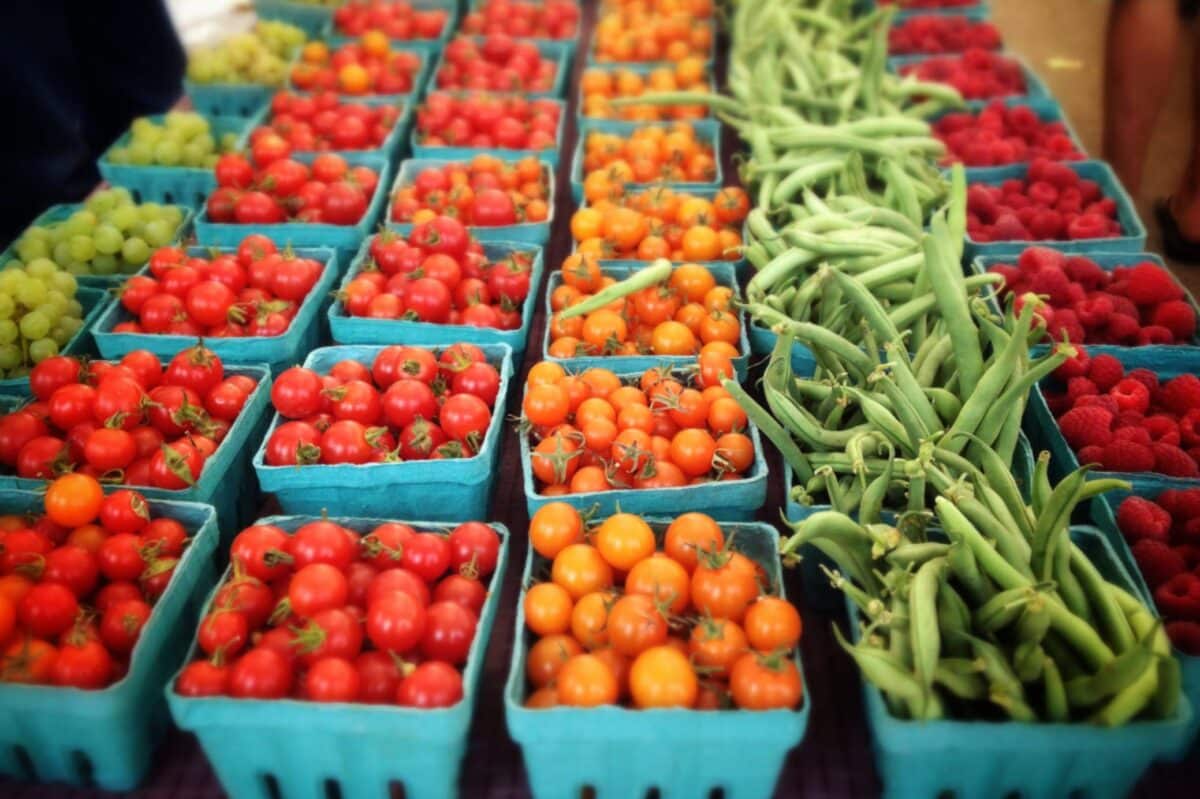
- Eat at least five servings of fruits
and vegetables each day (more are recommended:
see What is the ‘5 A Day’ program
and how can it help prevent cancer?). A recent report
sponsored by the World Cancer Research Fund and the American
Institute for Cancer Study estimated that eating 400 or
more grams daily of fruits and vegetables could prevent
at least 20 percent or more of all cancers. In addition,
those who eat the highest amount of fruits and vegetables
have been shown to have one half the cancer risk as those
eating the least amounts.
Plant-derived foods contain phytochemicals, nutrients that act powerfully to prevent a healthy cell from turning cancerous. Phytochemicals have been studied for their role in boosting detoxification of the cells and stimulating the immune system, as well as their anti-bacterial and anti-viral properties—all hugely helpful in maintaining a healthful inner environment that reduces the likelihood of cancer from forming. Fruits and vegetables are high in vitamin A and beta carotene, the B Vitamins, Vitamin C, and essential minerals.
- Choose foods from other plant sources, such as breads, cereals, grain products, rice, or beans several times each day. Limit consumption of refined carbohydrates, including pastries, sweetened cereals, soft drinks, and sugars. Choose whole foods that are rich in complex carbohydrates, vitamins, and minerals over minimally-processed or highly-processed foods.
- Eat plenty of fiber. Fiber moves cancer-causing
compounds out of the body before they can create harm. It
is also thought to dilute potential carcinogens, and may
effect hormone production, thus lowering the incidence of
hormone-related cancers like breast and prostate cancers.
The National Cancer Institute recommends 20-30 grams of fiber
per day. Foods rich in fiber are:
- Whole grains such as barley and oats, oat bran, and nuts
- Apples, bananas, blackberries, citrus fruits, pears, and prunes
- Lima , kidney, pinto, and navy beans, chick peas, black-eyed peas, and especially lentils
- Brussel sprouts, carrots, tomatoes, potatoes, and broccoli
- brown rice for white
- whole wheat bread or rye for white
- black beans for ground meat
- bran muffin for croissant or pastry
- popcorn for potato chips
- unpeeled apple for applesauce
- baked potato with skin for mashed potato
- bean dip or salsa for sour cream dip
- Partake of healthy fats. Healthy fats are good for you, in moderation. Olive oil, for instance, has been shown to reduce the risk of breast cancer. The human body needs fat for normal cellular functioning. So when you eat fat, replace saturated fats with unsaturated fats. These include sunflower, corn, and soybean oils (polyunsaturated fats) and canola and olive oils (monounsaturated fats). Two of the most beneficial fats are omega-6 and omega-3 oils, known as essential fatty acids (EFAs). The body cannot manufacture these fats, so they must be provided through the diet. Omega-6 fat is found in abundance in vegetable oils, margarines, mayonnaise, and salad dressings; omega-3 fat in fish, fish oil, and green plant food sources, especially spinach and mustard greens. Omega-3 fatty acids from fish oil have been shown to have an anti-carcinogenic effect in the laboratory.
- Strengthen your immune system. The Wellness Community website put together some eating suggestions for maximum immunity. The following chart lists some of the most potent nutrients in the fight against cancer, along with their food sources:
| Most Potent Nutrients in the Fight Against Cancer | |
| Nutrient | Food Source |
Vitamin A |
Fish liver oils, liver |
Beta Carotene (provitamin A) |
Orange, yellow and dark green leafy vegetables including carrots, cantaloupe, apricots, spinach |
Vitamin B2 (Riboflavin) |
Whole and enriched cereals and breads. Lean meat, milk, eggs, liver, dried yeast |
Vitamin B6 (Pyridoxine) |
As for B2, and bananas |
Folic Acid |
Leafy green vegetables, meats |
Pantothenic Acid |
Brewer's yeast, legumes, salmon, whole grains |
Vitamin C |
Citrus; fruits, berries, broccoli, bell peppers |
Vitamin E |
Leafy green vegetables, egg yolk, liver, wheat germ |
Selenium |
Garlic, legumes, fish, asparagus |
Iron |
Liver, peas, egg yolk, asparagus |
Zinc |
Liver, oysters, soybeans, sunflower seeds |
Magnesium |
Green leafy vegetables, nuts, seafood |
Manganese |
Bananas, bran, pineapple, nuts |
Protein |
Lean meat, poultry, fish, shellfish, eggs, legumes, broccoli, sunflower seeds |
Antioxidants |
Citrus fruits, legumes, whole grains |
Phytonutrients |
All plant sources of food, especially dark and brightly colored fruits and vegetables. |
‘5 A Day’ program and how can it can help prevent cancer
In 1991, the National Cancer Institute (NCI) and the Produce for Better Health Foundation launched a campaign to increase consumption of fruits and vegetables to 5 to 9 servings a day for every American. “There is no specific fruit or vegetable responsible for reducing cancer risk,” says the 5 A Day for Better Health Program website. “Research shows that it is the regular consumption of a variety of fruits and vegetables that reduces risk.” Five servings is considered the minimum. For men, the recommendation is nine servings per day; for women, it is seven.
To help people gauge their intake, the 5 A Day website defines a serving size as the amount of fruit or vegetable that can fit in the palm of your hand. The following portions are examples of single serving sizes:
- A small (3/4 cup or 6 oz) glass of 100% fruit or vegetable juice
- A medium-size piece of fruit (an orange, small banana, medium-size apple)
- One cup of raw salad greens
- 1/2 cup of cooked vegetables
- 1/2 cup of cut-up fruit or vegetables
- 1/4 cup of dried fruit
- 1/2 cup of cooked beans or peas
Although the portions sizes are simple to understand, fitting them into a busy lifestyle is another matter. The Cancer Research and Prevention Foundation and the 5 A Day program offer the following tips for meeting 7–9 fruit and vegetable servings per day:
- Have a glass of 100% juice in the morning. Add fruit to your breakfast cereal.
- Snack on fresh fruit throughout the day. Grab an apple or banana on your way out the door.
- Eat a big salad at lunch. Always order lettuce and tomato on your sandwich.
- Snack on raw veggies with low-fat dip instead of chips or candy.
- Keep trail mix made with dried fruit on hand for a quick snack.
- Use the salad bar at your supermarket for precut fruits and vegetables.
- Enjoy your favorite beans and peas. Add them to salads. Try black bean and corn salsa for snacking.
- Replace creamy pasta sauces, with sautéed vegetables or tomato sauce made with healthy olive oil.
- Top a baked potato with broccoli and yogurt.
- Add fresh or frozen veggies to your favorite pasta sauce or rice dish.
- Eat at least two vegetables with dinner.
- Choose fruit instead of a richer dessert.
African Americans are at a higher risk for cancer and other diseases as compared to whites, and are also more likely to die from cancer. At the same time, African Americans consume the least amount of fruits and vegetables of any ethnic group. To help address the disparity in consumption rates, the 5 A Day initiative developed a wellness program for African American churches called Body and Soul. For the past ten years, this program has helped support healthy living, including increased fruit and vegetable consumption. Visit the 5 A Day website for more information or to start a Body and Soul program at your own church.
A final word about variety. Pay attention to the colors of the fruits and vegetables you choose—green, red, yellow, orange, purple, blue, and white—as nature has imbued each with unique nutrients and phytochemicals that deliver a more complete nutritional benefit when consumed together. Think of assembling a rainbow of colors on your plate; it’s more pleasing to the eye and will give you a good balance of phytonutrients at each meal.
Specific foods that have the most powerful preventative effect
Certain foods have come to the forefront in the past few decades of cancer research as heavyweights in the battle against cancer. The National Institute for Cancer Research presents an all-star line up of foods known for their effective cancer-fighting properties:
- Beans (or legumes), which include lentils and peas, are rich in fiber and contain several chemicals that boost immunity to cancer. Saponins have shown the ability to inhibit the growth of cancer cells in different tissues; protease inhibitors slow down cancer cells from multiplying and suppress proteases, potent cell destroyers; and phytic acid slows the growth of tumors. A study of 3,237 men of different ethnic backgrounds showed that the risk for prostate cancer was 38 percent lower in those who ate the most amount of beans, as compared to those who ate the least amount.
- Berries are good sources of vitamin C and fiber, as well as a wonderful substance called ellagic acid, which has been found in laboratory studies to prevent cancers of the skin, bladder, lung, esophagus and breast. Strawberries and raspberries are particularly high in ellagic acid, and blueberries are loaded with a class of anti-oxidants as powerful as any seen. So splurge on berries in your morning cereal.
- Cruciferous vegetables include broccoli, cauliflower, Brussel sprouts, cabbage, kale, Swiss chard, and bok choy. Substances in these vegetables have shown the ability to stop the growth of cancer cells in laboratory studies, particularly by regulating a complex system of enzymes that provide a good line of cancer defense. High consumption of cruciferous vegetables has been associated with a decreased risk for lung, stomach and colorectal cancers.
- Dark Green Leafy Vegetables like spinach, romaine lettuce, leaf lettuces, kale, mustard greens, collard greens, and Swiss chard all contain high amounts of fiber, folate and a wide range of anti-oxidants which attack and remove hazardous free radicals from the body. Researchers have found that carotenoids in dark green leafy vegetables are effective in inhibiting the formation of breast and skin cancer tumors, and preventing lung and stomach cancer. High folate levels in men who ate diets rich in green leafy vegetables have been correlated with a reduced risk of lung cancer, particularly among men who smoke. Results from the Iowa Women’s Health Study showed a 44%lower risk rate for breast cancer in women who ate the most green leafy vegetables, as compared to those who ate the least.
- Flaxseed is the best known dietary source for a substance called lignans, which appear to replicate the action of estrogen in the body. Flax oil does not contain lignans, though they are often added by the manufacturers. In some short-term human studies, flaxseed consumption modified estrogen metabolism such that there appeared to be a possible protective effect against breast cancer. It has also been shown to inhibit the formation of colon, breast, skin and lung tumors in more than one laboratory study. Flaxseed is also high in omega-3 fats essential fatty acids.
- Garlic is a natural antibiotic and immune system enhancer, a free radical attacker, and it increases the enzymes that break down carcinogens in the body. Ample research has shown garlic to be one of the best foods to eat for cancer prevention, linking its consumption with slowing or stopping the growth of tumors in prostate, bladder, and stomach tissue, and preventing cancers of the skin and lung. The evidence is particularly compelling for garlic as a preventative agent against prostate and stomach cancers. The Iowa Women’s Health Study found that women who regularly ate garlic had a lower risk for colon cancer. Eat as much of this mighty food as you can stand!
- Grapes, especially red and purple varieties, contain high levels of resveratrol, which belongs to a classification of plant chemicals called polyphenols. Resveratrol has been shown to slow the growth of cancer cells and inhibit the formation of tumors in lymph, liver, stomach and breast cells.
- Green Tea is the best source of catechins in the human diet, containing about three times as many catechins as there are in black tea. The catechins found in tea selectively inhibit specific enzyme activities that lead to cancer and may also repair cellular damage caused by free radicals. Green tea has been shown to inhibit or block cancer development in colon, liver, breast, and prostate cells. Studies done in Asia show that frequent use of green tea lowers the risk for bladder, colon, stomach, pancreatic, and esophageal cancers. It has also been shown to aid in preventing recurrence of stage 1 breast cancer.
- Soy foods, which include tofu, soymilk, soybeans, soynuts, miso (soy paste), tempeh, and soy burgers, are particularly relevant in their effects on hormone-related cancer. Soy contains phytoestrogens, a plant-derived, weaker form of estrogen that some scientists believe replaces the body’s stronger form of estrogen at estrogen receptor sites in the breast, thereby reducing the probability of developing cancer. Several human and laboratory studies have suggested that soy consumption early in life may help protect against breast cancer later in life. However, according to breastcancer.org, many doctors worry that phytoestrogens in soy may increase the risk of women who have already had breast cancer. In another human study, men who said they drank soymilk more than once per day for 20 years were found to have 70% lower prostate cancer risk than men who never drank soymilk.
- Tomatoes contain the phytochemical lycopene, which is also found to a lesser extent in watermelon, papaya, and pink grapefruit. More than 35 studies have confirmed a lower risk of cancer as a result of high lycopene and tomato intake, especially cancers of the prostate, stomach, and lung. Lycopene compounds tend to concentrate in tissues of the prostate, so its protective agency there has received the most attention. Tomatoes have the highest anti-cancer potential when taken in a processed form such as tomato sauce, tomato paste, and tomato juice, because of easier absorption. The PDR website reported a study that found that people with the lowest levels of lycopene are three times more likely to get lung cancer than those with the highest levels. African Americans in the same study were found to have eight times the risk of developing cancer when lycopene levels were lowest.
- Turmeric is the spice most often used in curry powder. It has an active ingredient called curcumin that has shown resistance to colon, breast,liver, oral, skin, and stomach tumors in laboratory testing on animals.
- Yogurt consumed in high quantities has been linked in some population studies to reduced risks of cancer, particularly of the breast and colon.
References and resources for food and cancer
To Learn More: Related Helpguide Articles
|
|
Other related links
The Complete Guide to Nutrition and Physical Activity – Dietary and physical fitness guidelines for the prevention of cancer. (American Cancer Society)
Fats and Cholesterol – The Good, The Bad and The Healthy Diet – Presents the latest findings on healthy and unhealthy fats in the diet and their link to diseases.(Harvard School of Public Health)
Suggestions for Eating to Provide Maximum Immunity – Lists some essential nutrients for a strong immune system and the foods that contain them. (The Wellness Community)
General diet tips
The New American Plate – A simple way to make your diet more healthy by gauging the portions on your plate, and adjusting serving sizes as necessary. (American Institute for Cancer Research)
Safe Food Handling – Describes the steps to take to prevent food contamination. (USDA Food Inspection and Safety Service)
Specific foods and cancer prevention
Foods that Fight Cancer – A list of specific foods commonly believed to protect against cancer, and some of the research that supports their effectiveness. (American Institute for Cancer Research)
Soy May Lower Breast Cancer Risk – Reviews studies and prevents the evidence on the potential for soy to reduce breast cancer. (breastcancer.org)
Tea and Cancer Prevention – NCI fact sheet about the positive health effects of tea. (National Cancer Institute)
Garlic and Cancer Prevention: Questions and Answers – Discusses the benefits of garlic to cancer prevention. (National Cancer Institute)
High Doses of Intravenous Vitamin C Fight Cancer (commercial site) – Summarizes the findings of a recent study testing mega-vitamin cancer therapy in the laboratory. (iVillage)
Resources for delving deeper
Protective Foods – An exploration of foods that help prevent cancer by a non-profit affiliate of the Physician’s Committee for Responsible Medicine. (The Cancer Project)
Nutrition during cancer treatment
Three Stages of Change in a Cycle of Nutrition and Cancer – Outlines the nutritional requirements before, during, and after chemotherapy and/or radiation treatments. (The Wellness Community)
Treatment Symptom Management (commercial site) – List of articles about various cancer treatment side effects and nutritional changes that might alleviate symptoms. (Cancer Nutrition Info)
Nutrition for Cancer Patients – Several articles focused on nutrition and eating problems often experienced during cancer treatment. (American Cancer Society)
Other resources we used in writing this article
Guidelines on Diet and Cancer Prevention – Summary of a global research project on diet and cancer sponsored by the American Institute for Cancer Research. (American Cancer Society)
Cancer and food – Provides synopsis of the known relationships between specific cancers and dietary choices. (Victorian Government, Australia)
Eat 5 to 9 a Day for Better Health – Promotes the regular consumption of a wide variety of fruits and vegetables as a way to maintain a strong immunity to cancer. (The 5 A Day for Better Health Program)


Print
Bookmark
Email