



This therapist directory is offered in partnership with BetterHelp. If you sign up for therapy after clicking through from this site, HelpGuide will earn a commission. This helps us continue our nonprofit mission and continue to be there as a free mental health resource for everyone.
Need to talk to someone now? Find a crisis helpline
If you're a BetterHelp therapist with questions about your directory listing, please contact therapists@betterhelp.com
Is organic food really healthier? Is it worth buying organic? Find out what the benefits of organic food are, what the labels mean, and which foods are the best value.
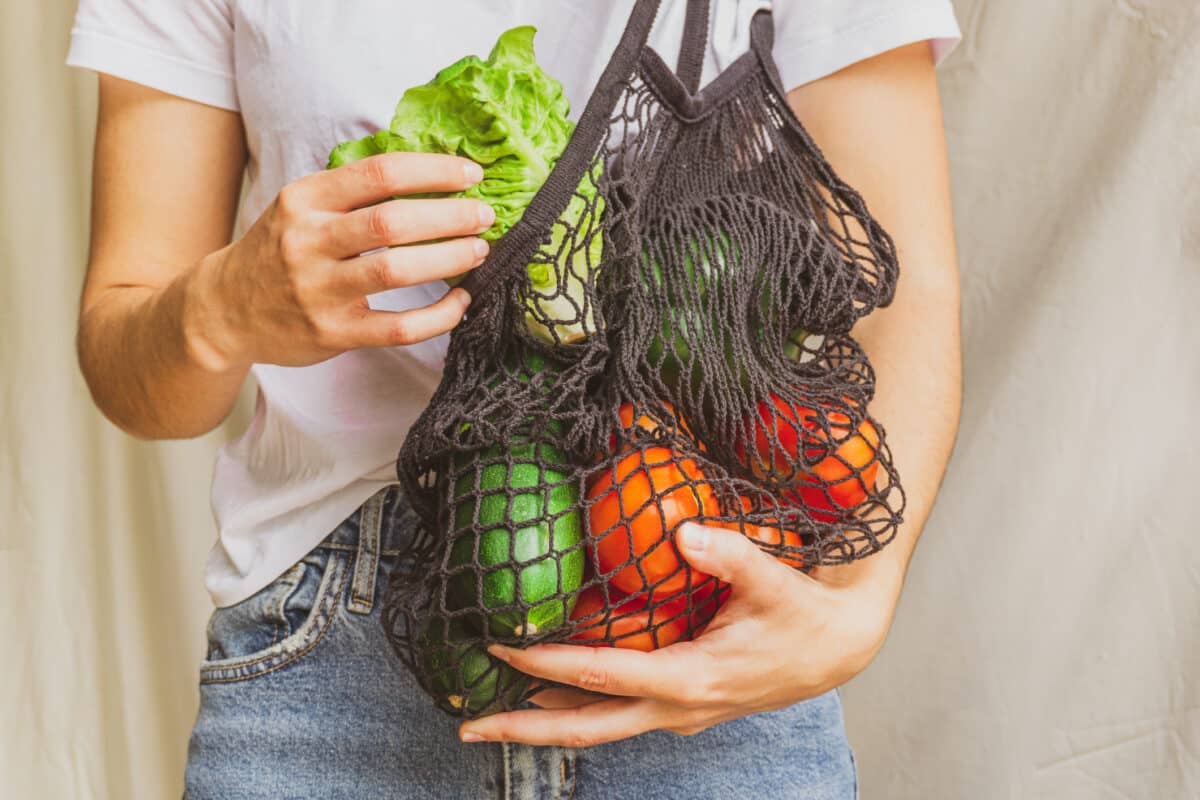
Organic food is produced in compliance with organic farming standards that regulate the way agricultural products are grown and processed. While the regulations vary from country to country, in the U.S., organic crops must be grown without the use of synthetic herbicides, pesticides, and fertilizers, or bioengineered genes (GMOs).
Organic livestock raised for meat, eggs, and dairy products must be raised in living conditions accommodating their natural behaviors (such as the ability to graze on pasture) and fed organic feed and forage. They may not be given antibiotics, growth hormones, or any animal by-products.
| Organic vs. Non-Organic | |
| Organic produce: | Conventionally grown produce: |
| Grown with natural fertilizers (manure, compost). | Grown with synthetic or chemical fertilizers. |
| Weeds are controlled naturally (crop rotation, hand weeding, mulching, and tilling) or with organic-approved herbicides. | Weeds are controlled with chemical herbicides. |
| Pests are controlled using natural methods (birds, insects, traps) and naturally-derived pesticides. | Pests are controlled with synthetic pesticides. |
| Organic meat, dairy eggs: | Conventionally-raised meat, dairy, eggs: |
| Livestock are given all organic, hormone- and GMO-free feed. | Livestock are given growth hormones for faster growth (this is not allowed for poultry), as well as non-organic, GMO feed. |
| Disease is prevented with natural methods such as clean housing, rotational grazing, and healthy diet. | Antibiotics and medications are used to prevent livestock disease. |
| Livestock must have access to the outdoors. | Livestock may or may not have access to the outdoors. |
How your food is grown or raised can have a major impact on your mental and emotional health as well as the environment. Organic foods often have more beneficial nutrients, such as antioxidants, than their conventionally-grown counterparts and people with allergies to foods, chemicals, or preservatives may find their symptoms lessen or go away when they eat only organic foods.
Organic produce contains fewer pesticides. Chemicals such as synthetic fungicides, herbicides, and insecticides are widely used in conventional agriculture and residues remain on (and in) the food we eat.
Organic food is often fresher because it doesn’t contain preservatives that make it last longer. Organic produce is sometimes (but not always, so watch where it is from) produced on smaller farms nearer to where it is sold.
Organic farming tends to be better for the environment. Organic farming practices may reduce pollution, conserve water, reduce soil erosion, increase soil fertility, and use less energy. Farming without synthetic pesticides is also better for nearby birds and animals as well as people who live close to farms. However, organic farming does often require more land to produce the same amount of food as conventional agriculture, which can increase carbon dioxide levels in the atmosphere.
Organically raised animals are NOT given antibiotics, growth hormones, or fed animal byproducts. Feeding livestock animal byproducts increases the risk of mad cow disease (BSE) and the use of antibiotics can create antibiotic-resistant strains of bacteria. Organically-raised animals tend to be given more space to move around and access to the outdoors, which helps to keep them healthy.
Organic meat and milk can be richer in certain nutrients. Results of a 2016 European study show that levels of certain nutrients, including omega-3 fatty acids, were up to 50 percent higher in organic meat and milk than in conventionally raised versions.
Organic food is GMO-free. Genetically Modified Organisms (GMOs) or genetically engineered (GE) foods are plants whose DNA has been altered in ways that cannot occur in nature or in traditional crossbreeding, most commonly in order to be resistant to pesticides or produce an insecticide.
BetterHelp is an online therapy service that matches you to licensed, accredited therapists who can help with depression, anxiety, relationships, and more. Take the assessment and get matched with a therapist in as little as 48 hours.
Take Assessment HelpGuide is user supported. We earn a commission if you sign up for BetterHelp’s services after clicking through from this site. Learn moreUnlike organic standards, there is no specific definition for “local food”. It could be grown in your local community, your state, your region, or your country. During large portions of the year it is usually possible to find food grown close to home at places such as a farmer’s market.
Financial: Money stays within the local economy. More money goes directly to the farmer, instead of to things like marketing and distribution.
Transportation: In the U.S., for example, the average distance a meal travels from the farm to the dinner plate is over 1,500 miles. Produce must be picked while still unripe and then gassed to “ripen” it after transport. Or the food is highly processed in factories using preservatives, irradiation, and other means to keep it stable for transport.
Freshness: Local food is harvested when ripe and thus fresher and full of flavor.
Some small local farmers use organic methods but may not be able to afford to become certified organic. Visit a farmer’s market and talk with the farmers to find out what methods they use.
The ongoing debate about the effects of GMOs on health and the environment is a controversial one. In most cases, GMOs are engineered to make food crops resistant to herbicides and/or to produce an insecticide. For example, much of the sweet corn consumed in the U.S. is genetically engineered to be resistant to the herbicide Roundup and to produce its own insecticide, Bt Toxin.
GMOs are also commonly found in U.S. crops such as soybeans, alfalfa, squash, zucchini, papaya, and canola, and are present in many breakfast cereals and much of the processed food that we eat. If the ingredients on a package include corn syrup or soy lecithin, chances are it contains GMOs.
The use of toxic herbicides like Roundup (glyphosate) has increased 15 times since GMOs were introduced. The World Health Organization announced that glyphosate is “probably carcinogenic to humans,” although there is still some controversy over the level of health risks posed by the use of pesticides.
While the U.S. Food and Drug Administration (FDA) and the biotech companies that engineer GMOs insist they are safe, many food safety advocates disagree, pointing to older research that links GM foods with toxic effects.
While many people think that altering the DNA of a plant or animal can increase the risk of cancer, the American Cancer Society states that GMO foods are not harmful to human health, or that they would either increase or decrease cancer risk.
As mentioned above, one of the primary benefits of eating organic is lower levels of pesticides. However, despite popular belief, organic farms do use pesticides. The difference is that they only use naturally-derived pesticides, rather than the synthetic pesticides used on conventional commercial farms. While natural pesticides are believed to be less toxic, some have been found to have health risks. That said, your exposure to harmful pesticides will likely be lower when eating organic.
Most of us have an accumulated build-up of pesticide exposure in our bodies due to numerous years of exposure. This chemical “body burden” as it is medically known could lead to health issues such as headaches, birth defects, and added strain on weakened immune systems.
Some studies have indicated that the use of pesticides even at low doses can increase the risk of certain cancers, such as leukemia, lymphoma, brain tumors, breast cancer and prostate cancer.
Children and fetuses are most vulnerable to pesticide exposure because their immune systems, bodies, and brains are still developing. Exposure at an early age may cause developmental delays, behavioral disorders, autism, immune system harm, and motor dysfunction.
Pregnant women are more vulnerable due to the added stress pesticides put on their already taxed organs. Plus, pesticides can be passed from mother to child in the womb, as well as through breast milk.
The widespread use of pesticides has also led to the emergence of “super weeds” and “super bugs,” which can only be killed with extremely toxic poisons like 2,4-Dichlorophenoxyacetic acid (a major ingredient in Agent Orange).
Rinsing fresh produce reduces but does not eliminate pesticides. Peeling sometimes helps, but valuable nutrients often go down the drain with the skin. The best approach: eat a varied diet, wash and scrub all produce thoroughly, and buy organic when possible.
Organic food is often more expensive than conventionally-grown food. But if you set some priorities, it may be possible to purchase organic food and stay within your food budget.
Some types of conventionally-grown produce are much higher in pesticides than others, and should be avoided when possible. Others are low enough that buying non-organic is relatively safe.
According to the Environmental Working Group, a nonprofit organization that analyzes the results of government pesticide testing in the U.S., the following fruits and vegetables (known as the “Dirty Dozen”) have the highest pesticide levels, so are best to buy organic:
Known as the “Clean 15”, these conventionally-grown fruits and vegetables are generally low in pesticides:
In the U.S., industrially-raised animals may be fed corn, grains, antibiotics, animal byproducts, growth hormones, pesticides, and sewage sludge. These practices can have health consequences for both the animals themselves and people consuming their meat, eggs, or milk.
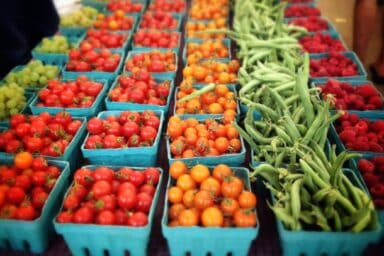
Shop at farmers’ markets. Many cities, as well as small towns, host a weekly farmers’ market, where local farmers sell their produce at an open-air street market, often at a discount to grocery stores.
Join a food co-op. A natural foods co-op, or cooperative grocery store typically offers lower prices to members, who pay an annual fee to belong
Join a Community Supported Agriculture (CSA) farm, in which individuals and families join up to purchase “shares” of produce in bulk, directly from a local farm. Local and organic!
Buy in season. Fruits and vegetables are cheapest and freshest when they are in season. Find out when produce is delivered to your market so you’re buying the freshest food possible.
Shop around. Compare the price of organic items at the grocery store, the farmers’ market, online, and in other venues (even the freezer aisle).
Remember that organic doesn’t always equal healthy. Making junk food sound healthy is a common marketing ploy in the food industry but organic baked goods, desserts, and snacks are usually still very high in sugar, salt, fat, or calories. It pays to read food labels carefully.
Organic food is more labor intensive since the farmers do not use synthetic pesticides, chemical fertilizers, or drugs. Organic certification is expensive and organic feed for animals can cost twice as much. Organic farms tend to be smaller than conventional farms, which means fixed costs and overhead must be distributed across smaller produce volumes without government subsidies.
To find farmers’ markets, organic farms, and grocery co-ops in your area, visit:
Tips to help you and your family eat delicious, healthy food on a tight budget







Millions of readers rely on HelpGuide.org for free, evidence-based resources to understand and navigate mental health challenges. Please donate today to help us save, support, and change lives.
Donate to HelpGuide.org today