


Illness & Disability
How to Exercise with Limited Mobility
Chair exercises and fitness tips for people with injuries or disabilities

This therapist directory is offered in partnership with BetterHelp. If you sign up for therapy after clicking through from this site, HelpGuide will earn a commission. This helps us continue our nonprofit mission and continue to be there as a free mental health resource for everyone.
Need to talk to someone now? Find a crisis helpline
If you're a BetterHelp therapist with questions about your directory listing, please contact therapists@betterhelp.com
No matter your age or physical condition, it’s never too late to start exercising and get fit. These easy tips will help you get started safely and make it fun.
There are many reasons why we tend to slow down and become more sedentary with age. It may be due to health problems, weight or pain issues, or worries about falling. Or perhaps you think that exercising simply isn’t for you. But as you grow older, an active lifestyle becomes more important than ever to your health.
A 2022 study of 272,550 older adults found that physical activity was associated with a lowered risk of death from any cause, including cancer and cardiovascular disease. The study, published in the medical journal JAMA Network Open, showed that running and racquet sports were particularly helpful, but activities like swimming, walking, and cycling all improved longevity. But getting active is not just about adding years to your life, it’s about adding life to your years.
Getting moving can help boost your energy, maintain your independence, protect your heart, and manage symptoms of illness or pain as well as your weight. Regular exercise is also good for your mind, mood, and memory. It’s never too late to find simple, enjoyable ways to become more active, improve your mood and outlook, and reap all of the physical and mental health benefits of exercise.
As an older adult, exercise can help you to:
Maintain or lose weight. As your metabolism naturally slows with age, maintaining a healthy weight can become a challenge. Regular exercise helps increase your metabolism and build muscle mass, helping your body to burn more calories.
Reduce the impact of illness and chronic disease. People who exercise tend to have improved immune and digestive functioning, better blood pressure and bone density, and a lower risk of Alzheimer’s disease, diabetes, obesity, heart disease, osteoporosis, and certain cancers.
Enhance your mobility, flexibility, and balance. Exercise improves your strength, flexibility, and posture, which in turn can help with your balance and coordination, and reduce your risk of falls. Strength training can also help alleviate the symptoms of chronic conditions such as arthritis.
Exercise can also help you to:
Improve how well you sleep. Quality sleep is vital for your overall health as you get older. Regular activity can help you fall asleep faster, sleep more deeply, and wake feeling more energetic and refreshed.
Boost your mood and self-confidence. Exercise is a huge stress reliever and the endorphins produced can actually help reduce feelings of sadness, depression, and anxiety. For example, a 2020 review of 19 studies found that physical activity could reduce anxiety in older individuals. Being active and feeling strong can also help you feel more self-confident.
Improve your brain function Activities like Sudoku or crossword puzzles can help keep your brain active, but little comes close to the beneficial effects of exercise on the brain. It can aid brain functions as diverse as multitasking and creativity, and help to prevent memory loss, cognitive decline, and dementia. Getting active may even help slow the progression of brain disorders such as Alzheimer’s disease.
BetterHelp is an online therapy service that matches you to licensed, accredited therapists who can help with depression, anxiety, relationships, and more. Take the assessment and get matched with a therapist in as little as 48 hours.
Take Assessment HelpGuide is user supported. We earn a commission if you sign up for BetterHelp’s services after clicking through from this site. Learn moreStarting or maintaining a regular exercise routine can be a challenge at any age—and it doesn’t get any easier as you get older. You may feel discouraged by health problems, aches and pains, or concerns about injuries or falls. If you’ve never exercised before, you may not know where to begin, or you may think you’re too old or frail and can never live up to the standards you set when you were younger. Or maybe you just think that exercise is boring.
While these may seem like good reasons to slow down and take it easy as you age, they’re even better reasons to get moving. Becoming more active can energize your mood, relieve stress, help you manage symptoms of illness and pain, and improve your overall sense of well-being. And reaping the rewards of exercise doesn’t have to involve strenuous workouts or trips to the gym. You can gain the benefits from adding more movement and activity to your life, even in small ways. No matter your age or physical condition, it’s never too late to get your body moving, boost your health and outlook, and improve how well you age.
“There’s no point to exercising. I’m going to get old anyway.”
Regular physical activity helps you look and feel younger and stay independent longer. It also lowers your risk for a variety of conditions, including Alzheimer’s and dementia, heart disease, diabetes, certain cancers, high blood pressure, and obesity. And the mood benefits of exercise can be just as great at 70 or 80 as they were at 20 or 30.
“Exercise puts me at risk of falling down.”
Regular exercise, by building strength and stamina, prevents loss of bone mass and improves balance, actually reducing your risk of falling.
“It’s too frustrating; I’ll never be the athlete I once was.”
Changes in hormones, metabolism, bone density, and muscle mass mean that your strength and performance levels inevitably decline with age. But that doesn’t mean you can no longer derive a sense of achievement from physical activity or improve your health. The key is to set lifestyle goals that are appropriate for your age. And remember: a sedentary lifestyle takes a much greater toll on athletic ability than biological aging.
“I’m too old to start exercising.”
You’re never too old to get moving and improve your health! In fact, adults who become active later in life often show greater physical and mental improvements than their younger counterparts. If you’ve never exercised before, or it’s been a while, you won’t be encumbered by the same sports injuries that many regular exercisers experience in later life. In other words, there aren’t as many miles on your clock so you’ll quickly start reaping the rewards. Just begin with gentle activities and build up from there.
“I can’t exercise because I’m disabled.”
If you’re chair-bound, you obviously face special challenges. However, you can lift light weights, stretch, and do chair aerobics, chair yoga, and chair tai chi to increase your range of motion, improve muscle tone and flexibility, and promote cardiovascular health. Many swimming pools offer access to wheelchair users and you can also find adaptive exercise programs for wheelchair sports such as basketball.
“I’m too weak or have too many aches and pains.”
Getting moving can help you manage pain and improve your strength and self-confidence. Many older people find that regular activity not only helps stem the decline in strength and vitality that comes with age, but actually improves it. The key is to start off gently.
If you dread working out, you’re not alone. But you don’t have to exercise until you’re soaked in sweat or every muscle aches to make a big difference to your health. Think about activities that you enjoy and how you can incorporate them into an exercise routine:
Staying active is not a science. Just remember that mixing different types of physical activity helps to both keep your workouts interesting and improve your overall health. The key is to find activities that you enjoy—based on the four building blocks of fitness. These are:
What it is: Balance exercises help maintain standing and stability, whether you’re stationary or moving around. Try yoga, tai chi, and posture exercises to gain confidence with balance.
Why it’s good for you: It improves your balance, posture, and the quality of your walking. It also reduces your risk of falling or fear of falls.
What it is: Cardiovascular exercise uses large muscle groups in rhythmic motions over a period of time. It gets your heart pumping and may even leave you feeling a little short of breath. Cardio workouts include walking, stair climbing, swimming, hiking, cycling, rowing, tennis, and dancing.
Why it’s good for you: Cardio exercise helps lessen fatigue and shortness of breath. It also promotes independence by improving endurance for daily activities such as walking, house cleaning, and errands.
What it is: Strength training builds up muscle with repetitive motion using weight or external resistance from machines, free weights, elastic bands, or your own body weight. Power training is often strength training done at a faster speed to increase power and reaction times.
Why it’s good for you: Strength training helps prevent loss of bone mass, builds muscle, and improves balance—important for staying active and avoiding falls. Power training can improve your speed while crossing the street, for example, or prevent falls by enabling you to react quickly if you start to trip or lose balance. Building strength and power will help you stay independent and make day-to-day activities such as opening a jar, getting in and out of a car, and lifting objects easier.
What it is: Flexibility workouts challenge the ability of your body’s joints to move freely through a full range of motion. This can be done through stationary stretches or stretches that involve movement to keep your muscles and joints supple and less prone to injury. Yoga is an excellent means of improving flexibility.
Why it’s good for you: Flexibility helps your body stay limber and increases your range of movement for ordinary physical activities, such as looking behind while driving, tying your shoes, shampooing your hair, or playing with your grandchildren.
Walking. Walking is a perfect way to start exercising. It requires no special equipment, aside from a pair of comfortable walking shoes, and can be done almost anywhere.
Senior sports or fitness classes. Exercising with others can help keep you motivated while also providing a source of fun, stress relief, and a place to meet friends.
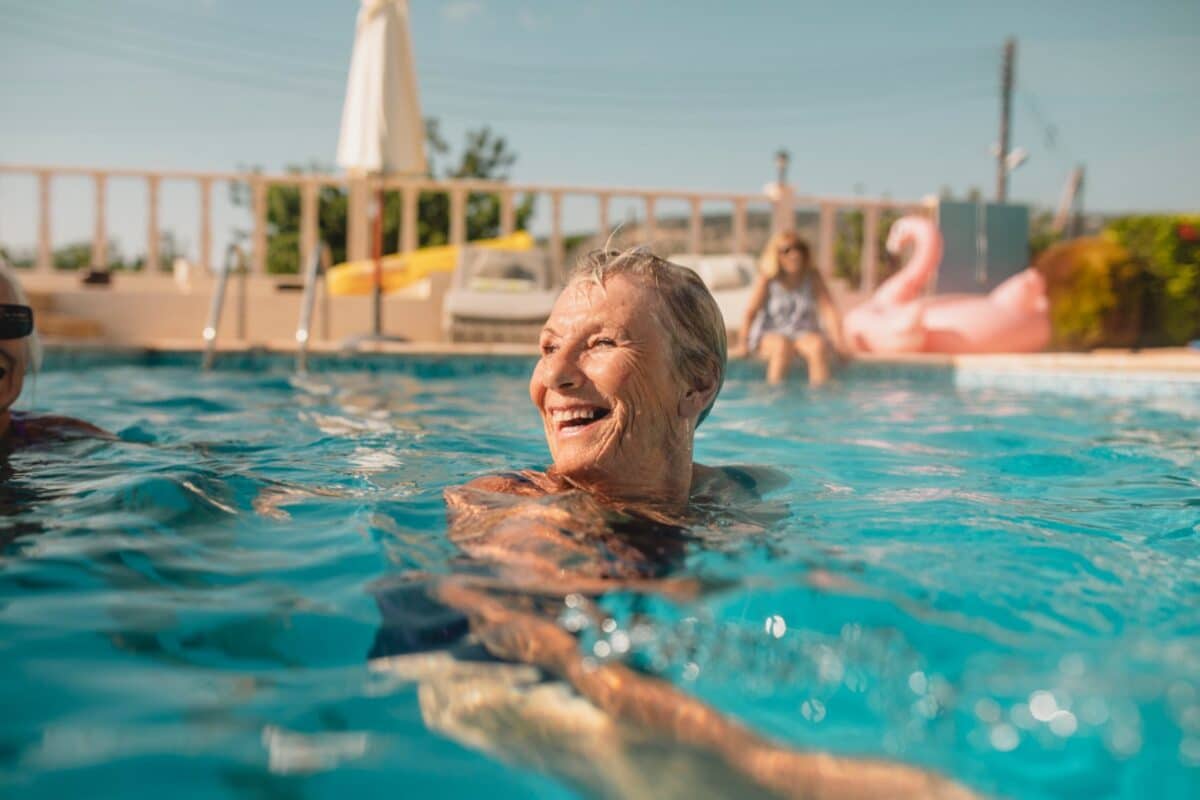
Water aerobics and water sports. Working out in water reduces stress and strain on the body’s joints.
Yoga. Yoga combines a series of poses with breathing. Moving through the poses helps improve strength, flexibility and balance, and can be adapted to any level.
Tai chi and qi gong. These martial arts-inspired systems of movement can increase balance and strength. Classes for seniors are often available at local YMCA or community centers.
Getting active is one of the healthiest decisions you can make as you age, but it’s important to do it safely.
Get medical clearance from your doctor before starting an exercise program, especially if you have a preexisting condition. Ask if there are any activities you should avoid.
Consider health concerns. Keep in mind how your ongoing health problems affect your workouts. For example, diabetics may need to adjust the timing of medication and meal plans when setting an exercise schedule.
Listen to your body. Exercise should never hurt or make you feel lousy. Stop exercising immediately and call your doctor if you feel dizzy or short of breath, develop chest pain or pressure, break out in a cold sweat, or experience pain. And put your routine on hold if a joint is red, swollen, or tender to the touch—the best way to cope with injuries is to avoid them in the first place. If you regularly experience pain or discomfort after exercising, try exercising for less time but more frequently throughout the day.
Start slow and build up steadily. If you haven’t been active in a while, build up your exercise program little by little. Try spacing workouts in ten-minute increments twice a day. Or try just one class each week.
If you’re concerned about falling, start with easy chair exercises, riding a recumbent exercise bike, or water-based activities like swimming or pool aerobics to increase your fitness and confidence. You may also want to consider wearing a medical alert device for peace of mind.
Prevent injury and discomfort by warming up, cooling down, and keeping water handy.
Commit to an exercise schedule for at least three or four weeks so that it becomes a habit and force yourself to stick with it. This is much easier if you find activities you enjoy.
Experiment with mindfulness. Instead of zoning out when you exercise, try to focus on how your body feels as you move—the rhythm of your breathing, the way your feet strike the ground, or your muscles flexing, for example. Practicing mindfulness will improve your physical condition faster, better relieve stress and anxiety, and better help you to avoid accidents or injuries.
While there are challenges that come with exercising with mobility issues, by adopting a creative approach, you can overcome any physical limitations and find enjoyable ways to get active and improve your health and well-being.
Diet as well as exercise can have a major impact on your energy, mood, and fitness. Many older adults don’t get sufficient high-quality protein in their diets, despite evidence suggesting they need more than younger people to maintain energy levels and lean muscle mass, promote recovery from illness and injury, and support overall health. Some expert groups recommend that older adults consume 1.0 to 1.2 grams of protein per kilogram of body weight, according to a 2018 review of research published in the scientific journal Nutrients.
It’s easy to become discouraged when illness, injury, or changes in the weather interrupt your routine and seem to set you back to square one. But there are ways to stay motivated when life’s challenges get in the way.
Focus on short-term goals, such as improving your mood and energy levels and reducing stress, rather than goals such as weight loss, which can take longer to achieve.
Reward yourself when you successfully complete a workout, reach a new fitness goal, or simply show up on a day when you were tempted to ditch your activity plans. Choose something you look forward to, but don’t allow yourself to do until after exercising, such as having a hot bath or a favorite cup of coffee.
Keep a log. Writing down your activities or using an app to track your progress not only holds you accountable, but is also a useful reminder of your accomplishments.
Find support. When you work out with a friend or family member, you can encourage and motivate each other.
| How to stay fit when your routine changes |
| You’re on vacation |
|
| Caring for an ill spouse is taking up too much of your time |
|
| Your usual exercise buddy moves away |
|
| You move to a new community |
|
| Illness keeps you out of action for a few weeks |
|
| You’re recovering from injury or surgery |
|
Chair exercises and fitness tips for people with injuries or disabilities
The exercise prescription for depression, anxiety, stress, and more

How to make exercise a part of your everyday life


Nutrition tips to boost energy levels and increase resistance to illness

Tips and exercises to sharpen your mind and boost brainpower


Tips to help you increase intimacy and enjoyment as you get older


Millions of readers rely on HelpGuide.org for free, evidence-based resources to understand and navigate mental health challenges. Please donate today to help us save, support, and change lives.
Donate to HelpGuide.org today