



This therapist directory is offered in partnership with BetterHelp. If you sign up for therapy after clicking through from this site, HelpGuide will earn a commission. This helps us continue our nonprofit mission and continue to be there as a free mental health resource for everyone.
Need to talk to someone now? Find a crisis helpline
If you're a BetterHelp therapist with questions about your directory listing, please contact therapists@betterhelp.com
As you get older, eating well can help improve your mental sharpness, boost your energy levels, and increase your resistance to illness. These senior diet and nutrition tips can help.
Healthy eating is important at any age, but becomes even more so as we reach midlife and beyond. As well as keeping your body healthy, eating well can also be the key to a positive outlook and staying emotionally balanced. But healthy eating doesn’t have to be about dieting and sacrifice. Rather, it should be all about enjoying fresh, tasty food, wholesome ingredients, and eating in the company of friends and family.
No matter your age or your previous eating habits, it’s never too late to change your diet and improve the way you think and feel. Improving your diet now can help you to:
Live longer and stronger. Good nutrition can boost immunity, fight illness-causing toxins, keep weight in check, and reduce the risk of heart disease, stroke, high blood pressure, type-2 diabetes, bone loss, and cancer. Along with physical activity, a balanced diet can also contribute to enhanced independence as you age.
Sharpen your mind. People who eat fruit, leafy veggies, and fish and nuts packed with omega-3 fatty acids may be able to improve focus and decrease their risk of age-related cognitive issues. For instance, a 2025 meta-analysis published in GeroScience found that the Mediterranean diet may reduce the risk of disorders such as dementia and Alzheimer’s by 11 to 30 percent. Antioxidant-rich green tea may also enhance memory and mental alertness as you age.
Feel better. Wholesome meals can give you more energy and help you look better, resulting in a boost to your mood and self-esteem. It’s all connected—when your body feels good, you feel happier inside and out.
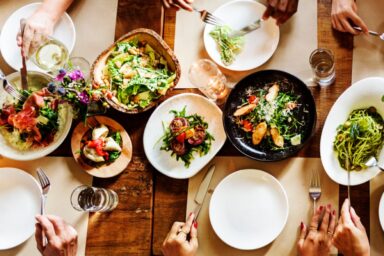
Eating well as you age is about more than just the quality and variety of your food. It’s also about the pleasure of eating, which increases when a meal is shared. Eating with others can be as important as adding vitamins to your diet. A social atmosphere stimulates your mind, makes meals more enjoyable, and can help you stick to your healthy eating plan.
Even if you live alone, you can make healthy meals more pleasurable by:
Shopping with others. Shopping with a friend can give you a chance to catch up without falling behind on your chores. It’s also a great way to share new meal ideas and save money on discount deals like “buy one, get the second half price.”
Cooking with others. Invite a friend to share cooking responsibilities—one prepares the entrée, the other dessert, for example. Cooking with others can be a fun way to deepen your relationships, and splitting costs can make it cheaper for both of you.
Making mealtimes a social experience. The simple act of talking to a friend or loved over the dinner table can play a big role in relieving stress and boosting mood. Gather the family together regularly and stay up to date on everyone’s lives. Invite a friend, coworker, or neighbor over. Visiting an adult day care center or enrolling in a senior meal program can also provide both companionship and nutritious meals for older adults.
BetterHelp is an online therapy service that matches you to licensed, accredited therapists who can help with depression, anxiety, relationships, and more. Take the assessment and get matched with a therapist in as little as 48 hours.
Take Assessment HelpGuide is user supported. We earn a commission if you sign up for BetterHelp’s services after clicking through from this site. Learn moreThe key to healthy eating is to focus on the whole, minimally processed food that your body needs as you age—food that is as close to its natural form as possible. Our bodies respond differently to different foods, depending on genetics and other health factors, so finding the healthy diet that works best for you may take some experimentation. These tips are a good place to start:
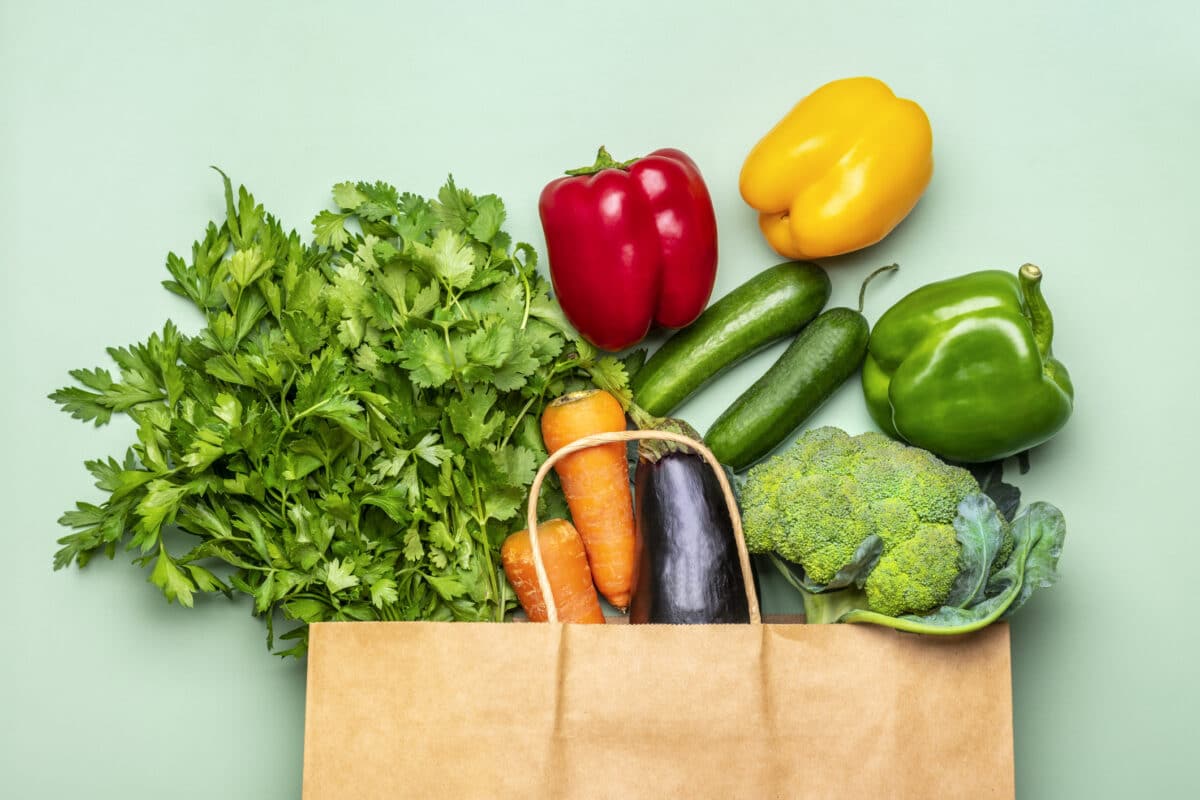
Eat plenty of fruit and vegetables. Break the apple and banana rut and go for color-rich pickings like berries or melons. Aim for two to three servings a day. When it comes to veggies, choose antioxidant-rich dark, leafy greens, such as kale, spinach, and broccoli as well as colorful vegetables such as carrots and squash. Make veggies more appetizing by drizzling them with olive oil, sprinkling with goat cheese, or frying with garlic or chili flakes. Try for two-three cups every day.
Choose calcium for bone health, as well as nerve health, hormone health, and muscle health which can all decline as we age. Maintaining bone health, in particular, as you age depends on adequate calcium intake to prevent osteoporosis and bone fractures. It’s best to get around 1200mg a day for both men and women. Good sources include milk, yogurt, cheese or non-dairy sources such as tofu, fortified soy milk, fortified orange juice, broccoli, almonds, and kale. Learn more>>
Go “good fat” not “no fat”. Rather than trying to cut out fat from your diet, focus on enjoying healthy fats—such as omega-3s—that can protect your body against disease and support your mood and brain function. The best sources of omega-3’s come from fatty fish like salmon, mackerel, sardines, and tuna, as well as seaweed if you’re vegetarian. Aiming to eat two to three servings of fish per week is recommended to maintain brain health as you age. Learn more>>
Vary your sources of protein. As you age, eating enough high-quality protein can improve your mood, boost your resistance to stress, anxiety, and depression, and even help you think more clearly. Eating enough protein can also help to prevent natural muscle loss that happens in our older years. However, eating too much protein from processed meat products such as hot dogs, bacon, and salami may increase your risk of heart disease, cancer, and other health problems. Vary your sources of protein instead of relying on just red meat by including more fish, beans, peas, eggs, nuts, and seeds in your diet. Most older people require a daily intake of at least 1 to 1.2 grams of protein for each kilogram of weight (think 0.5g of protein per pound of body weight if that’s easier) to maintain muscle mass and help with energy and mood. Try to space out this intake between meals and snacks throughout the day. Learn more>>
Eat more fiber. Dietary fiber can do so much more than keep you regular. It can lower your risk for heart disease, stroke, and diabetes, improve the health of your skin, and help you to lose weight. As you age, your digestion becomes less efficient, so it’s important to include enough fiber in your diet. Women over 50 should aim to eat at least 21g of fiber per day, men over 50 at least 30g a day. Unfortunately, most of us aren’t getting even half those amounts, with only 5% of Americans meeting their daily fiber needs. Focus on eating a variety of whole grains, leafy vegetables, legumes, nuts, seeds, and fruit. Raspberries (6.5g of fiber per cup), apples (4.4g per medium apple), lentils (13g per cup), oats (16g per cup), and avocados (10g per cup) are great choices. Learn more>>
Be smart about carbs. Choose whole grains over processed white flour for more nutrients and fiber and cut down on sugar and refined carbs. While our senses of taste and smell diminish with age, we retain the ability to distinguish sweet tastes the longest, leading many older people to consume more sugar and refined carbs than is healthy. Unlike complex carbs that are rich in fiber, refined or simple carbs (such as white rice, white flour, refined sugar) can lead to a dramatic spike in blood sugar, followed by a rapid crash which leaves you feeling hungry and prone to overeating. Learn more>>
Water. As you age, you may be more prone to dehydration because your sense of thirst is not as sharp. Remember to sip water regularly to avoid urinary tract infections, constipation, and even confusion.
Vitamin B12. After the age of 50, your stomach produces less gastric acid making it harder to absorb vitamin B12—needed to help keep blood and nerves healthy. Get the recommended daily intake (2.4 mcg) of B12 from fortified foods or a vitamin supplement. For many older adults supplements may be necessary so it’s important to discuss this option with a doctor or dietitian. It may be necessary to get regular B12 shots or to take better absorbed forms of B12, such as methylcobalamin.
Vitamin D. With age, your skin is less efficient at synthesizing vitamin D, so consult your doctor about supplementing your diet with fortified foods or a multivitamin, especially if you’re obese or have limited sun exposure. Some foods that have vitamin D, either naturally or through fortification, include fatty fish (such as like salmon), liver, mushrooms that have had sun exposure, fortified milk, and fortified orange juice.
Every season of life brings changes and adjustments to your body. Understanding what is happening will help you take control of your nutritional and dietary requirements.
Metabolism. Every year over the age of 40, our metabolism slows, and often we become less physically active. This makes it even more important to adopt healthy eating and exercise habits to avoid weight gain. Much of this change can be due to changes in muscle mass, so weight bearing exercise and adequate protein can help maintain your metabolism as you age.
Weakened senses. Older adults tend to lose sensitivity to salty and bitter tastes first, so you may be inclined to salt your food more heavily than before—even though older adults need less salt than younger people. Use herbs, spices, and healthy oils—like olive oil—to season food instead of salt.
Medications and illness. Some health problems or medications can negatively influence appetite or affect taste, again leading older adults to consume too much sugar or salt. Talk to your doctor.
Digestion. Due to a slowing digestive system, you generate less saliva and stomach acid as you get older, making it more difficult for your body to process certain vitamins and minerals, such as B12, B6, and folic acid, which are necessary to maintain mental alertness and good circulation. Up your fiber intake and talk to your doctor about possible supplements.
Loneliness and depression. For some, feeling down leads to not eating and in others it may trigger overeating. Sharing meals with other people can be an effective antidote to loneliness. Reach out to friends or neighbors—everyone loves a home-cooked meal and most people who live alone are in the same boat as you. Be the one to reach out and break the ice.
Death or divorce. If you’re newly single, you may not be used to cooking or have little enthusiasm for preparing meals for just yourself. However, cooking your own meals can help you take charge of your health. The key to cooking for one is to master a few basic skills and get creative in making meals that work specifically for you.
Living on a limited budget. With the right tips and a little planning, it is possible to enjoy healthy food on the cheap. Often, by simply cutting out junk and processed foods, you can free up enough in your budget to enjoy healthier, better quality food.
Malnutrition is a critical health issue among older adults caused by eating too little food, too few nutrients, and by digestive problems related to aging. Malnutrition causes fatigue, depression, weak immune system, anemia, weakness, digestive, lung, and heart problems.
To prevent malnutrition as you age:
Let’s face it, there’s a reason why so many of us have trouble eating nutritiously every day. Sometimes it’s just quicker or easier to eat unhealthy food. If you’re having trouble getting started on a healthy eating plan, these tips can help:
Check with your doctor to see if your loss of appetite could be due to medication, and whether the medication or dosage can be changed. Try natural flavor enhancers such as olive oil, butter, vinegar, garlic, onions, ginger, and spices to boost your appetite.
Eating small, frequent meals throughout the day can also make it easier to eat more with a low appetite. If you have an easier time drinking your calories, try creating healthy smoothies or buying pre-made shakes with low amounts of added sugar and at least 15g of protein per serving. This can boost your calorie and nutrient intake when eating more is a challenge.
None of us were born with a craving for French fries and donuts or an aversion to broccoli. This conditioning happens over time as we’re exposed to more and more unhealthy food choices. However, it is possible to reprogram your brain’s food cravings over time so that you crave healthier foods instead.
Commit to keeping an open mind. Just because a food is healthy, it doesn’t mean it can’t be tasty as well.
Don’t change everything all at once. Gradual changes to your meals can feel less overwhelming. Add a side salad to your normal dinner, for example, or substitute unhealthy fries with baked sweet potato fries, or have a smaller portion of dessert and fill up with melon and pineapple slices.
Focus on how you feel after eating well—this will help foster new habits and tastes. The more healthy food you eat, the better you’ll feel afterwards.
No matter how healthy your diet, eating the same foods over and over is bound to get boring. Rekindle inspiration by:
Take advantage of home delivery. Most grocery stores have online delivery services. Other companies deliver pre-made meals or kits with all the ingredients you need to prepare a meal at home.
Swap services. Ask a friend, neighborhood teen, or college student if they would be willing to shop for you in return for homework help, for example.
Share your home. Consider having a housemate/companion who would be willing to do the grocery shopping and cooking.
Meals on Wheels provides nutritious meals to people who are homebound and/or disabled, or would otherwise be unable to maintain their dietary needs. See links below for information on finding a program in your area.
For many older adults on a fixed, limited budget, knowing how to eat healthily is only part of the problem. Paying for the healthiest food isn’t always easy but there are ways to stretch your budget and save money on nutritious food.
Eat out less. It may seem that fast food is less expensive than cooking at home. But a meal for two at a fast-food restaurant in the U.S., with drinks and a side of fries each, can cost $10 to $15. Preparing a simple, healthy beef stew or roast chicken with vegetables can cost far less and leave you with leftovers as well.
Stick to your grocery list. The more prepared you are when food shopping, the less impulse purchases you’ll make.
Buy in bulk. Doing things in bulk saves time and money. It’s always a good idea to buy non-perishable items, such as dried beans and canned fish, in bulk. You can freeze perishable items, such as meat and bread, in smaller portions to use as needed or split them with a friend—saving you both money.
Search out farmers’ markets. Many places host weekly farmers’ markets where local farmers sell fresh food directly, often cheaper than the grocery store. Towards the end of the market, some vendors sell remaining perishable items at a discount.
Purchase generic/store brands. When you shop at conventional grocery stores, the store or generic brand will often be cheaper than the name brand for the same quality product.
Join the grocery store savings club and look out for discount coupons for more savings.
Purchase less expensive cuts of meat and make better use of it. You’ll save money on the cut of meat and stretch the meat for more meals when you make tasty casseroles, sauces, soups, stews, and stir-fries. Add vegetables, beans, and whole grains to create filling and delicious meals.
Cook once and eat multiple times. Cook a large meal at the beginning of the week so that you have extra to use later in the week when you don’t feel like cooking.
Meals on Wheels: Find a U.S. Program – Find a Meals on Wheels program in your area of the U.S. (Meals on Wheels Association of America)
Meals at Home Services (UK) – In the UK, find a directory of providers in your area. (Gov.uk)
Meals on Wheels Australia – Find your local Meals on Wheels service in Australia. (Meals on Wheels Australia)
Find a Meals on Wheels Location in Canada – Find senior meal programs in your area of Canada. (VON Canada)
Tips to help you and your family eat delicious, healthy food on a tight budget

Eating to prevent heart disease and improve cardiovascular health


Tips and exercises to sharpen your mind and boost brainpower

No matter your age, it’s never too late to get started


Tips to help you increase intimacy and enjoyment as you get older


Millions of readers rely on HelpGuide.org for free, evidence-based resources to understand and navigate mental health challenges. Please donate today to help us save, support, and change lives.
Donate to HelpGuide.org today