




This therapist directory is offered in partnership with BetterHelp. If you sign up for therapy after clicking through from this site, HelpGuide will earn a commission. This helps us continue our nonprofit mission and continue to be there as a free mental health resource for everyone.
Need to talk to someone now? Find a crisis helpline
If you're a BetterHelp therapist with questions about your directory listing, please contact therapists@betterhelp.com
To effectively combat stress, you need to activate your body’s natural relaxation response. Techniques such as deep breathing, visualization, meditation, and yoga can help.
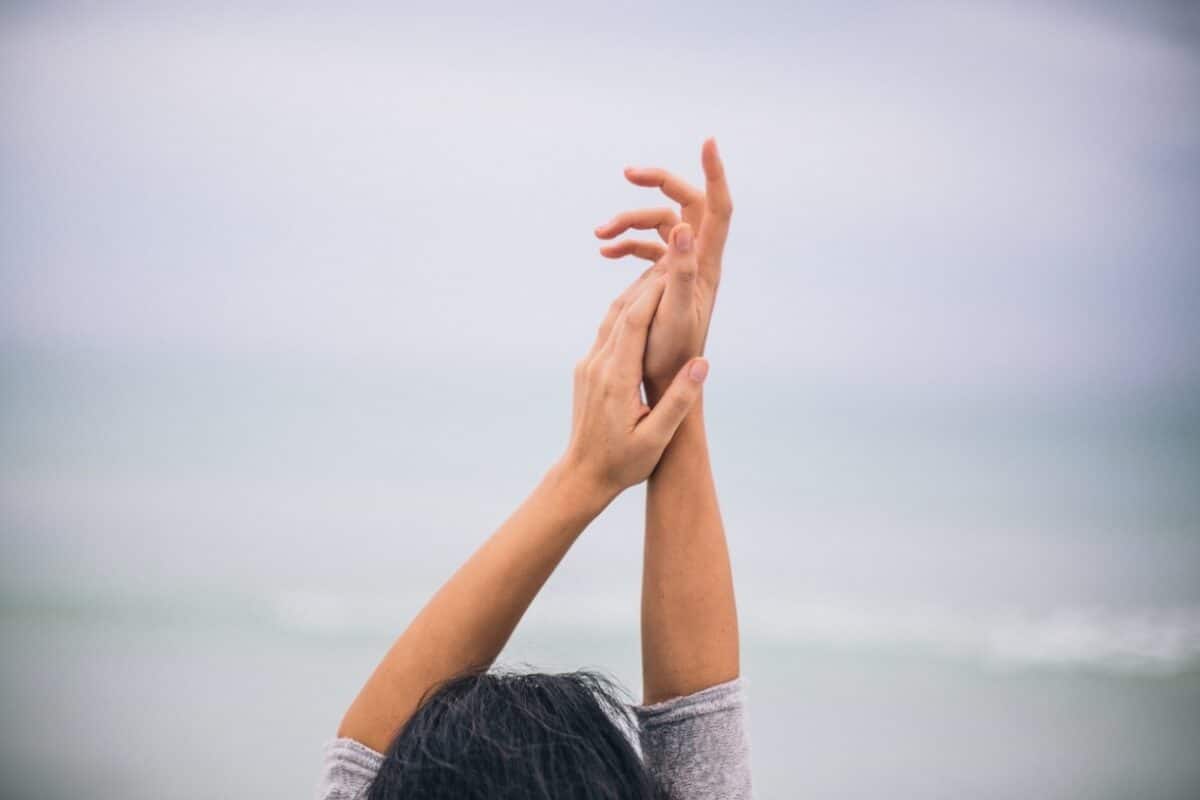
For many of us, relaxation means flopping on the couch and zoning out in front of the TV at the end of a stressful day. But this does little to reduce the damaging effects of stress. Rather, you need to activate your body’s natural relaxation response, a state of deep rest that puts the brakes on stress, slows your breathing and heart rate, lowers your blood pressure, and brings your body and mind back into balance. You can do this by practicing relaxation techniques such as deep breathing, meditation, rhythmic exercise, yoga, or tai chi.
While you may choose to pay for a professional massage or acupuncture session, for example, most relaxation techniques can be done on your own or with the aid of a free audio download or inexpensive smartphone app. It’s important to remember, however, that there is no single relaxation technique that works for everyone. We’re all different. The right technique is the one that resonates with you, fits your lifestyle, and is able to focus your mind to elicit the relaxation response. That means it may require some trial and error to find the technique (or techniques) that work best for you. Once you do, regular practice can help reduce everyday stress and anxiety, improve your sleep, boost your energy and mood, and improve your overall health and wellbeing.
BetterHelp is an online therapy service that matches you to licensed, accredited therapists who can help with depression, anxiety, relationships, and more. Take the assessment and get matched with a therapist in as little as 48 hours.
Take Assessment HelpGuide is user supported. We earn a commission if you sign up for BetterHelp’s services after clicking through from this site. Learn moreWith its focus on full, cleansing breaths, deep breathing is a simple yet powerful relaxation technique. It’s easy to learn, can be practiced almost anywhere, and provides a quick way to get your stress levels in check. Deep breathing is the cornerstone of many other relaxation practices, too, and can be combined with other relaxing elements such as aromatherapy and music. While apps and audio downloads can guide you through the process, all you really need is a few minutes and a place to sit quietly or stretch out.
If you find it difficult breathing from your abdomen while sitting up, try lying down. Put a small book on your stomach, and breathe so that the book rises as you inhale and falls as you exhale.
Progressive muscle relaxation is a two-step process in which you systematically tense and relax different muscle groups in the body. With regular practice, it gives you an intimate familiarity with what tension—as well as complete relaxation—feels like in different parts of your body. This can help you react to the first signs of the muscular tension that accompanies stress. And as your body relaxes, so will your mind.
Progressive muscle relaxation can be combined with deep breathing for additional stress relief.
Consult with your doctor first if you have a history of muscle spasms, back problems, or other serious injuries that may be aggravated by tensing muscles.
Start at your feet and work your way up to your face, trying to only tense those muscles intended.
This is a type of meditation that that focuses your attention on various parts of your body. Like progressive muscle relaxation, you start with your feet and work your way up. But instead of tensing and relaxing muscles, you simply focus on the way each part of your body feels, without labeling the sensations as either “good” or “bad”.
Visualization, or guided imagery, is a variation on traditional meditation that involves imagining a scene in which you feel at peace, free to let go of all tension and anxiety. Choose whatever setting is most calming to you, whether it’s a tropical beach, a favorite childhood spot, or a quiet wooded glen.
You can practice visualization on your own or with an app or audio download to guide you through the imagery. You can also choose to do your visualization in silence or use listening aids, such as soothing music or a sound machine or a recording that matches your chosen setting: the sound of ocean waves if you’ve chosen a beach, for example.
Close your eyes and imagine your restful place. Picture it as vividly as you can: everything you see, hear, smell, taste, and feel. Just “looking” at it in your mind’s eye like you would a photograph is not enough. Visualization works best if you incorporate as many sensory details as possible. For example, if you are thinking about a dock on a quiet lake:
Enjoy the feeling of your worries drifting away as you slowly explore your restful place. When you are ready, gently open your eyes and come back to the present. Don’t worry if you sometimes zone out or lose track of where you are during a visualization session. This is normal. You may also experience feelings of heaviness in your limbs, muscle twitches, or yawning. Again, these are normal responses.
You’re probably already aware how much a professional massage at a spa or health club can help reduce stress, relieve pain, and ease muscle tension. What you may not be aware of is that you can experience some of the same benefits at home or work by practicing self-massage, trading massages with a loved one, or using an adjustable bed with a built-in massage feature.
Try taking a few minutes to massage yourself at your desk between tasks, on the couch at the end of a hectic day, or in bed to help you unwind before sleep. To enhance relaxation, you can use aromatic oil, scented lotion, or combine self-message with mindfulness or deep breathing techniques.
A combination of strokes works well to relieve muscle tension. Try gentle chops with the edge of your hands or tapping with fingers or cupped palms. Put fingertip pressure on muscle knots. Knead across muscles, and try long, light, gliding strokes. You can apply these strokes to any part of the body that falls easily within your reach. For a short session like this, try focusing on your neck and head:
Mindfulness has become extremely popular in recent years, garnering headlines and endorsements from celebrities, business leaders, and psychologists alike. So, what is mindfulness? Rather than worrying about the future or dwelling on the past, mindfulness switches your focus to what’s happening right now, enabling you to be fully engaged in the present moment.
Meditations that cultivate mindfulness have long been used to reduce stress, anxiety, depression, and other negative emotions. Some of these practices bring you into the present by focusing your attention on a single repetitive action, such as your breathing or a few repeated words. Other forms of mindfulness meditation encourage you to follow and then release internal thoughts or sensations. Mindfulness can also be applied to activities such as walking, exercising, or eating.
Using mindfulness to stay focused on the present might seem straightforward, but it takes practice to reap all the benefits. When you first start practicing, you’ll likely find that your focus keeps wandering back to your worries or regrets. But don’t get disheartened. Each time you draw your focus back to the present, you’re strengthening a new mental habit that can help you break free of fretting about the past or stressing about the future. Using an app or audio download can also help focus your attention, especially when you’re starting out.
The idea of exercising may not sound particularly soothing, but rhythmic exercise that gets you into a flow of repetitive movement can produce the relaxation response. Examples include:
While simply engaging in rhythmic exercise will help you relieve stress, adding a mindfulness component can benefit you even more.
As with meditation, mindful exercise requires being fully engaged in the present moment, paying attention to how your body feels right now, rather than your daily worries or concerns. Instead of zoning out or staring at a TV as you exercise, focus on the sensations in your limbs and how your breathing complements your movement.
If you’re walking or running, for example, focus on the sensation of your feet touching the ground, the rhythm of your breath, and the feeling of the wind against your face. If you’re resistance training, focus on coordinating your breathing with your movements and pay attention to how your body feels as you raise and lower the weights. And when your mind wanders to other thoughts, gently return your focus to your breathing and movement.
Yoga involves a series of both moving and stationary poses, combined with deep breathing. As well as reducing anxiety and stress, yoga can also improve flexibility, strength, balance, and stamina. Since injuries can happen when yoga is practiced incorrectly, it’s best to learn by attending group classes, hiring a private teacher, or at least following video instructions. Once you’ve learned the basics, you can practice alone or with others, tailoring your practice as you see fit.
Although almost all yoga classes end in a relaxation pose, classes that emphasize slow, steady movement, deep breathing, and gentle stretching are best for stress relief.
Satyananda is a traditional form of yoga. It features gentle poses, deep relaxation, and meditation, making it suitable for beginners as well as anyone aiming primarily for stress reduction.
Hatha yoga is also a reasonably gentle way to relieve stress and is suitable for beginners. Alternately, look for labels like gentle, for stress relief, or for beginners when selecting a yoga class.
Power yoga, with its intense poses and focus on fitness, is better suited to those looking for stimulation as well as relaxation.
If you’re unsure whether a specific yoga class is appropriate for stress relief, call the studio or ask the teacher.
If you’ve seen a group of people in the park slowly moving in synch, you’ve likely witnessed tai chi. Tai chi is a self-paced series of slow, flowing body movements. By focusing your mind on the movements and your breathing, you keep your attention on the present, which clears the mind and leads to a relaxed state.
Tai chi is a safe, low-impact option for people of all ages and fitness levels, including older adults and those recovering from injuries. As with yoga, it’s best learned in a class or from a private instructor. Once you’ve learned the basics, you can practice alone or with others.
Learning the basics of these relaxation techniques isn’t difficult, but it takes regular practice to truly harness their stress-relieving power. Try setting aside at least 10 to 20 minutes a day for your relaxation practice.
Set aside time in your daily schedule. If possible, schedule a set time once or twice a day for your practice. If your schedule is already packed, try meditating while commuting on the bus or train, taking a yoga or tai chi break at lunchtime, or practicing mindful walking while exercising your dog.
Make use of smartphone apps and other aids. Many people find that smartphone apps or audio downloads can be useful in guiding them through different relaxation practices, establishing a regular routine, and keeping track of progress.
Expect ups and downs. Sometimes it can take time and practice to start reaping the full rewards of relaxation techniques such as meditation. The more you stick with it, the sooner the results will come. If you skip a few days or even a few weeks, don’t get discouraged. Just get started again and slowly build up to your old momentum.





Using close relationships to manage stress and improve well-being



Millions of readers rely on HelpGuide.org for free, evidence-based resources to understand and navigate mental health challenges. Please donate today to help us save, support, and change lives.
Donate to HelpGuide.org today