




This therapist directory is offered in partnership with BetterHelp. If you sign up for therapy after clicking through from this site, HelpGuide will earn a commission. This helps us continue our nonprofit mission and continue to be there as a free mental health resource for everyone.
Need to talk to someone now? Find a crisis helpline
If you're a BetterHelp therapist with questions about your directory listing, please contact therapists@betterhelp.com

Advanced age comes with many unique mental health challenges that are sometimes overlooked. For instance, a 2023 analysis of 55 studies suggested that more than a third of the world’s older population may have depression. Similarly, a 2025 review of over 100 studies found that roughly one in four older adults feel lonely. Challenges like mobility limitations and social stigma often compound these problems and make it less likely that seniors will seek help. Fortunately, online therapy provides a convenient and accessible path toward better mental health.
Online therapy allows you to connect with mental health professionals without leaving home. However, there are many mental health services out there. And if you’re an older adult, you likely have specific needs and concerns you’ll want to consider before signing up for one. We’ll cover what to look for in a therapy service, how to pay for it, and how to get started with sessions.
A 2022 review of research found that psychotherapy video sessions are effective across all age groups, even reducing feelings of isolation, anxiety, and depression in older adults. However, older adults might still be more comfortable with phone sessions or in-person visits. Even so, here are a few reasons why online therapy might be especially convenient for seniors.
No commute to sessions. If you’re living in a rural area, you might have to drive farther to find mental health clinics. Online therapy allows you to see a provider without worrying about transportation. Similarly, if you have mobility issues and leaving your home isn’t always easy, virtual sessions can make therapy more accessible.
More options. Online therapy also gives you access to a wider pool of providers. This can be a significant benefit if you’re looking for a therapist who specializes in geriatric care but you can’t find any in your local area.
Comfort of at-home sessions. For some seniors, visiting a therapist’s office can be an intimidating experience. Online therapy gives you the option to relax in your own space, which also makes it easier to be open and honest during sessions. Of course, not everyone feels at ease on video calls. Ask your therapist if audio-only sessions are possible. This would simply involve turning off your camera or talking on the phone.
Fewer health risks. If you have health concerns, such as a weakened immune system, online therapy sessions can reduce your risk of a viral infection. For instance, during flu season or COVID-19 outbreaks you can still see your provider without risking exposure.
While people at any stage of life might experience mental health challenges, they can be especially common later in life for many reasons. For instance:
Many of these factors can be interconnected, one worsening another. Perhaps a combination of retirement and chronic pain prevents you from seeing coworkers or friends on a regular basis. Or maybe a spouse is diagnosed with a terminal illness, leaving you in a state of anxiety, grief, and caregiver burnout.
Generational attitudes and stigma around mental health can hold some people back from seeking help. But know that you don’t have to face all of these challenges alone. Talking to a therapist can ease some of your emotional burdens and help you uncover coping strategies.
Selecting the right online therapy platform can feel overwhelming, especially if you’re unfamiliar with your options. Still, it’s important to find a service that meets your unique needs. The following considerations can help you narrow down your options.
Whether you’re using an app or website, a platform that’s simple to use and easy to navigate is best. Ideally, you should be able to sign up and get started with just a few clicks. Consider your particular needs as well. For instance, if you have vision problems, you’ll want a platform with large text.
Tech support is also a crucial consideration if you’re not comfortable with troubleshooting on your own. Most platforms have a dedicated team of tech support workers, but their responsiveness can vary from service to service. If necessary, ask a tech-savvy relative or caregiver to be available to help you get comfortable before sessions.
You’ll want to ensure the therapist you choose has experience with the specific issues you’re facing as an older adult. When looking at provider expertise, look for areas like grief, life transitions, chronic illness, or aging—all of which are common concerns for seniors. If the platform you’re using doesn’t allow you to filter or search by therapist specialty, reach out to the customer support team to see if they can offer recommendations.
Common options for online therapy include video calls and phone calls. Text messaging is also possible, but it’s most often used as a way to get in touch with a therapist between sessions. Maybe you find video chat to be more personal. Or perhaps you prefer the simplicity of a phone call. Determine which type of communication is most comfortable and effective for you, and make sure it’s an option with the platform and therapist you select. Session length is another factor to consider. You might prefer shorter sessions if your attention or energy begins to fade in longer interactions.
When it comes to paying for online therapy, check to see whether the platform accepts your insurance plan or Medicare. Some, but not all, online therapy platforms will accept Medicare Part B or Medicare Advantage (Part C). Otherwise, you’ll find yourself paying out-of-pocket, which may not be ideal if you’re on a fixed income. In the next section, we’ll explore how Medicare covers mental health services.
Aimed primarily at individuals over 65, Medicare offers support for online therapy. So, if you’re eligible for the program, you can likely find mental health care without leaving home. Here’s how it works.
Medicare Part B will cover outpatient services, including both in-person and virtual therapy. After you pay your annual deductible, the program covers 80 percent of the approved amount. This can make sessions extremely affordable. However, it’s important to note that Medicare Part B’s deductible changes from year to year. For instance, in 2026, it is $283, a $26 increase from 2025.
Medicare Advantage plans are provided by private insurance companies. These plans typically cover online therapy. Some Medicare Advantage plans also offer extra benefits, but coverage, deductibles, and in-network provider options will vary depending on which plan you choose. It’s possible you’ll end up paying less for each therapy session when using Medicare Advantage instead of Medicare Part B. Carefully compare your options.
After Medicare pays its share (80 percent), it’s up to you to cover the remaining 20 percent. Typically, the amount you pay will range between $20 and $40 per session. It’s also possible to use another insurance plan, such as Medigap, to cover your 20 percent.
Without Medicare or insurance, you’ll end up paying anywhere from $60 to more than $200 per session. If cost is a concern, see our guide to Free Online Therapy & Low-Cost Options.
Getting started with online therapy becomes much easier when you break the process in a series of short steps. Here’s how you can navigate the beginning of your mental health journey:
Step 1: Check Medicare/insurance coverage.
Start by making sure that your insurance or Medicare plan offers virtual therapy coverage. You might be able to simply check online to see what’s covered under your plan. However, you can also call the customer service number on your card and ask about specifics such as copay obligations, session limits, or restrictions regarding which providers are covered. Taking the time to ask questions can help you avoid surprise costs down the road.
Step 2: Choose a platform or provider.
Look for reputable platforms or providers that accept your plan. As you search, keep your preferences in mind. For instance, you’ll likely want a provider who has experience working with older adults, and you might want the option of audio-only sessions. When signing up for online therapy platforms, you’ll find that some include a questionnaire that allows you to express your provider preferences. While many platforms match you to therapists who meet your preferences, others give you access to a directory that you can search through yourself.
For full platform reviews and comparisons, see our Best Online Therapy Platforms guide.
Step 3: Set up the technology (or ask someone to help).
Decide whether you’ll be using a smartphone or something larger like a tablet or laptop. Larger devices might be better if you have vision issues, arthritis, or simply feel uncomfortable navigating menus on a small screen.
If necessary, make sure both your device’s camera and microphone work. You’ll also want to ensure you have a stable internet connection so you don’t experience any preventable connectivity issues during the session. Don’t hesitate to ask a loved one to help you with these tasks before the appointment.
Step 4: Prepare for your first session.
Before your session, write down any questions, concerns, or topics you want to explore with your therapist. This helps the therapist get a clear understanding of what’s been on your mind and hone in on possible ways to address your issues.
Step 5: Give it a few sessions before deciding if it’s the right fit.
Be patient with yourself and the therapist. You might need more than one session to build rapport. If the first session went well enough, consider sticking with the provider for several more. If you don’t feel comfortable or simply don’t sense a connection, switch providers or try a new platform.
Online therapy isn’t necessarily a good fit for every senior. In some cases, in-person sessions are more comfortable and effective. Some examples include:
Whether you decide that in-person or online therapy is best for you, it’s always important to find the right therapist to meet your needs.
If you have a loved one in your life you think would benefit from online therapy, there are many ways you can encourage them to find treatment. Here are some tips for helping a senior seek therapy.
Advocate for action. Gently point out issues that you’ve noticed, and explain why therapy might be useful. “I’ve noticed you’ve seemed a little reclusive lately. Maybe talking to someone about it would be helpful?”
Generational attitudes toward mental health might affect your loved one’s willingness to seek help. If they seem skeptical of therapy, aim to normalize it. You might emphasize that therapy has helped you in the past and give some specific examples. Or perhaps you can point out that, for some people, therapy is now as routine as regularly seeing a physician.
Offer assistance. Offer to help with tasks that seem confusing or daunting for them, such as checking their insurance coverage or researching platforms. Rather than taking control over these tasks, try to involve them as much as possible. For instance, you might explain some therapy options and give your opinion, but don’t take the step of choosing the provider for them.
If they need tech assistance, offer to help before the sessions. Avoid being present during the sessions unless they ask you to be there. You don’t want to intrude on their privacy.
Reassure them about privacy. If they have concerns about security and privacy, help them find a reputable platform and provider. Explain to them that these platforms use high-tech security measures to keep all communication confidential. You can also help them take measures to ensure no one is able to listen in on their sessions while at home. For instance, if you might offer to take other household members out for a walk during a session.
Is online therapy effective for older adults?
Research shows that online therapy is equally effective across all age groups, including seniors. The effectiveness of therapy will largely depend on your therapeutic alliance—how well you and your therapist collaborate.
Does Medicare cover online therapy?
Medicare Part B and Medicare Advantage (Part C) plans cover online therapy services. However, coverage can depend on your specific plan.
What if I’m not comfortable with technology?
Consider asking a trusted friend or family member to help you get started. For privacy reasons, you might not want them in the room during your actual sessions, but it’s wise to have them readily available to assist. You can also select a therapy platform that’s easy to use and a therapist who is willing to help you troubleshoot as much as possible.
Can my family member sit in on my online therapy session?
If you’re comfortable with this arrangement, you can choose to have a family member sit in on your sessions. The family member might be helpful if you need assistance. For instance, they might help you troubleshoot a tech issue, take notes, or articulate something to your provider. However, be sure to talk to your therapist about this beforehand.
How do I find a therapist who specializes in senior issues?
You can try searching online directories and narrowing your search down to therapists with geriatric experience. When signing up for certain online therapy platforms, you might also be able to express your preference for a provider who has experience working with older adults. Aside from your online search options, you can ask your doctor for recommendations or reach out to senior centers or community health clinics that might have connections.
Is online therapy private and secure?
Reputable online therapy platforms follow HIPAA-compliant security practices to protect your privacy. For instance, these platforms use encrypted chat and video systems. If you have questions and concerns or simply want reassurance, you can always ask about privacy policies before you begin your sessions.
How to challenge ageism in the workplace and in daily life

HelpGuide’s experience testing this online therapy and psychiatry platform
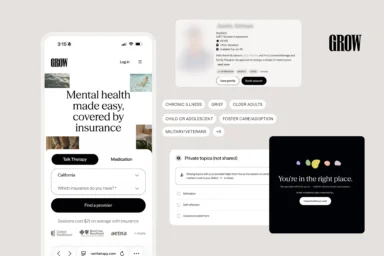
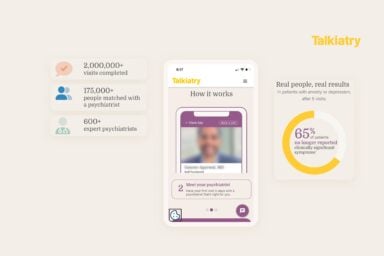
HelpGuide's review of the online psychiatry platform, based on personal testing.
Infidelity can devastate a marriage, but healing is possible.

Certain over-the-counter anxiety medications might help calm your mind. Explore the benefits, limitations, and risks of natural remedies and supplements.
We surveyed real couples who used Regain, and a HelpGuide staff member personally tested its services with a partner. Here’s what we learned about the couples therapy platform.

We surveyed real Sesame Care users and a HelpGuide staff member personally tested its mental health services. Here’s what we learned about the platform’s usability, provider quality, user satisfaction, and more.


Millions of readers rely on HelpGuide.org for free, evidence-based resources to understand and navigate mental health challenges. Please donate today to help us save, support, and change lives.
Donate to HelpGuide.org today