


PTSD & Trauma
Helping Children Cope with Traumatic Events
Tips for helping a child or teen recover from trauma


This therapist directory is offered in partnership with BetterHelp. If you sign up for therapy after clicking through from this site, HelpGuide will earn a commission. This helps us continue our nonprofit mission and continue to be there as a free mental health resource for everyone.
Need to talk to someone now? Find a crisis helpline
If you're a BetterHelp therapist with questions about your directory listing, please contact therapists@betterhelp.com
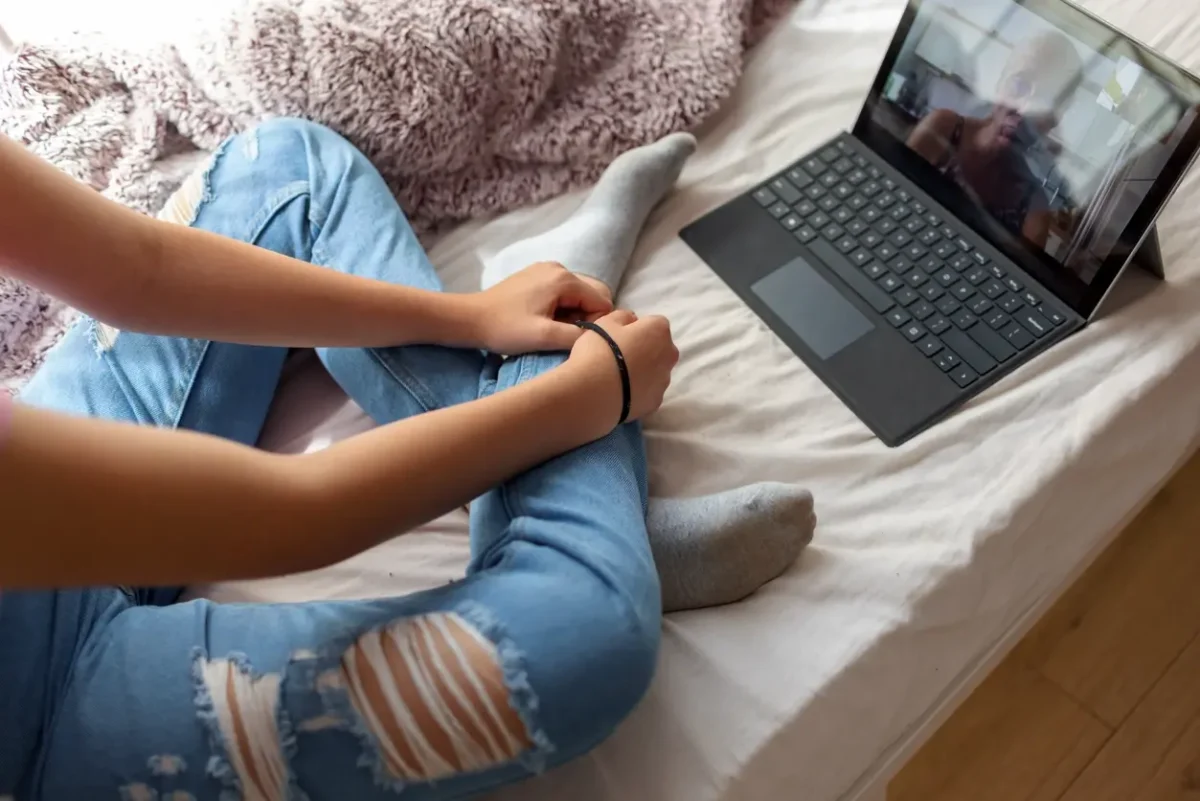
In the US, around 20 percent of children ages 3 to 17 are diagnosed with a mental, emotional, or behavioral health condition. When left unaddressed, those conditions can persist into adulthood, affecting their ability to form healthy relationships and succeed in school and work.
As a parent, you likely spend plenty of time worrying about your child’s mental health—even if they haven’t been formally diagnosed with a condition. But know that early intervention can set them up for a lifetime of emotional well-being. That intervention could potentially come in the form of online therapy, which allows your children to meet with an experienced therapist from the comfort of home.
A 2024 systemic review found that online mental health interventions were effective in helping children and teens with symptoms of anxiety and depression. However, some clinicians advise that these types of virtual interventions might not be suitable for every single child. With the right information, you can assess what might work best for your child’s mental health journey.
We’ll cover how online therapy for children and teens differs from adult sessions, the benefits and limitations of virtual sessions, and how to find an online therapist for your child.
Most people can benefit from therapy—either in-person or through an online therapy platform. But when might your child or teen benefit from an early start into therapy? Here are a few mental health warning signs to look for.
Persistent mood swings. Maybe they’re deeply sad or irritable for weeks at a time. It could be a sign of depression, anxiety, or another mood disorder.
Return to past behaviors. A child who reverts back to behaviors they’ve outgrown, such as bedwetting or throwing temper tantrums, might be experiencing emotional issues.
Drop in grades. If your child is having a hard time concentrating or staying interested in schoolwork, there might be an underlying emotional issue or stressor.
Social withdrawal or self-isolation. Anxiety, depression, or trauma can lead a child to avoid friends, family members, or activities they used to enjoy.
Difficulty sleeping. Perhaps they have a hard time falling asleep or staying asleep. Or maybe they complain of vivid nightmares that disrupt their sleep. On the other hand, they might seem to sleep excessively yet always seem tired.
Self-harm. If you notice signs of self-harm, such as cuts, it’s crucial to seek professional help. They might need support or healthier coping methods.
Excessive worry. A child who seems to be struggling with obsessive worries, even about normal issues like health or schoolwork, might have an underlying anxiety disorder.
Trauma. If you know your child has experienced potentially traumatic events, therapy can help them process intense feelings.
The ways in which children express distress can change as they age:
Ages 1 to 5: Signs of issues in toddlers and preschoolers can come in the form of temper tantrums and missed developmental milestones. Or they might frequently complain about stomach aches or headaches.
Children in this age bracket are very play-oriented. They communicate through play, and a therapist would likely use play to understand them and help them work through issues.
Ages 6 to 12: When distressed, school-age children often struggle in academics or social situations. They might also show the typical signs of depression or anxiety, such as avoiding friends or lacking interest in their hobbies.
When dealing with children of this age, a therapist can rely on talk therapy or cognitive-behavioral therapy (CBT) to manage issues like problematic behaviors or irrational fears.
Ages 13 to 18: Warning signs of mental health issues in teens can include moodiness, risky behaviors, academic problems, or social withdrawal. Teenagers are in a time of transition and often deal with social pressures, identity exploration, and uncertainty around their future. A therapist can help them navigate this phase of life.
Therapy can be effective in helping children cope with or navigate all sorts of conditions and circumstances. Some issues that are commonly addressed in therapy for kids:
Online therapy for kids and teens can differ from online therapy for adults in some key ways. The differences might include session length, type of approach, and parental involvement.
For very young kids, shorter sessions can be more effective than the usual 45-minute or hour-long sessions. A child’s attention is more likely to wander, so a therapist might recommend 30-minute sessions. Online therapy for teens can involve longer sessions, since teenagers have a better attention span than younger children.
For younger children, such as three- to 12-year-olds, a therapist might rely on play-based activities. These could include storytelling, making art, or using toys to help kids express their feelings. However, when it comes to online therapy, these play-based approaches might be more limited, and in-person sessions might be preferred. Teenagers, on the other hand, might prefer using texting or messaging to share their feelings and thoughts between video calls.
Certain types of therapy can also be adapted for online child therapy sessions. For instance, DBT-C and DBT-A are forms of dialectical behavior therapy that have been tailored to children and adolescents. Cognitive behavioral therapy (CBT) can also be adapted to treat minors.
As a parent or guardian, you’ll often need to give consent for your child to start online therapy. If your child is young enough, you might even be part of the sessions. For instance, the initial session might involve you, your child, and therapist working together to set goals. Or perhaps a therapist coaches your child on skills to help regulate their emotions, and then the therapist gives you tips on how to support and reinforce those skills at home.
If your child is a teen, they might want to be reassured that what they say to their therapist is confidential. This is understandable, as therapy should be a space where they can speak freely and not feel judged or punished. Laws about teen privacy in therapy sessions can vary by state, so both of you should have an open and honest conversation with the provider about what may be disclosed, when, and why.
Kids’ counseling online can come with benefits for both the child and the rest of the family. Some reasons that virtual therapy might be the right approach include:
Online therapy can be particularly useful if your family lives in a remote area or if your child is shy or anxious about seeing a therapist in-person. However, while it’s an effective way to manage various conditions, the virtual therapy route isn’t right for every child.
One important limitation to online counseling for children is that kids often require play-based interactions that can be hard to simulate through virtual sessions. For instance, a therapist might encourage a child to use toys, such as dolls, to act out scenarios related to separation anxiety. However, this sort of play is best done in-person, where the therapist can also be physically engaged with the scene. Very young children may also simply not have the attention span needed to stay focused on a video call.
Your family’s access to and comfort with technology can be another barrier to online therapy. You might not have reliable internet service in your area. Or perhaps no one in your household feels confident in their ability to troubleshoot devices if technical issues arise.
Some other reasons to turn to in-person or more intensive care include:
If you believe your child is experiencing a mental health crisis or severe distress, immediately turn to these resources:
It’s possible to take a hybrid approach, using some combination of online and in-person sessions. Perhaps your child starts with online therapy but then switches to in-person as time goes on. Or maybe one week is in-person and the next is online, alternating back and forth. This flexible option allows your child to reap the benefits of face-to-face support while also enjoying the convenience of online sessions.
Picking the right online therapy platform can be daunting, especially because you’re focused on getting your child the best mental health care possible. Here are some steps to make the process easier.
Check your insurance. Your insurance plan might cover therapy for minors. If necessary, call your insurance provider to see what’s covered and what kind of copay you can expect. If you plan to use insurance, explore our guide to the best therapy platforms with insurance support.
Consider therapy platform options. There are many therapy platform apps out there, but not all of them are tailored to online counseling for teens and kids. Carefully examine each one’s policy on services for minors. Some examples:
Thriveworks has providers who specialize in children and teen counseling. It also has a series of behavioral health centers called TherapyLand, which help facilitate play therapy for children.
Talkspace has a network of therapists experienced in working with teens. A parent will need to provide consent both in a video message and text message through the app.
Brightside Health has a program for teens ages 13 to 17. It includes what it calls a “dual-portal” to ensure teen privacy while also allowing parents to participate in the process.
BetterHelp isn’t tailored to individuals under 18; however, BetterHelp operates TeenCounseling.com, which is designed specifically for teenagers.
Look at credentials. Most online therapy platforms and directories clearly display a provider’s licenses and other credentials. Some common credentials you’ll see while browsing therapists include licensed clinical social worker (LCSW), licensed marriage and family therapist (LMFT), doctorates in psychology (PsyD or PhD), and licensed professional counselor (LPC). LMFTs in particular frequently work with children, but any of the other specialists may also have relevant experience. Browse a provider’s bio to see if they specifically mention experience working with children or teens.
Filter by therapy type or specialization. Some directories and online therapy platforms give you the option to filter your search by types of therapy or therapist specializations. Some forms to look for include play therapy, parent-child interaction therapy, family therapy, or even art therapy. Other options, including DBT and CBT, can also be used for children and teens.
Consider privacy. Platforms should also have a clear privacy policy. Confidentiality is always important in therapy, whether the sessions are one-on-one or involve both the child and guardian. In addition, older children and teens may want to be reassured that their conversations are private. State laws and a therapist’s own policies can affect whether, as a parent, you have access to your child’s therapy details.
Be patient. The first therapist might not be the right fit. If, after several sessions, you or your child don’t seem to be comfortable with the provider, try a different one. Know that eventually you’ll find a therapist who can help your child.
A therapist can give your child the emotional support they need to feel happier, calmer, and more confident. However, as a parent or guardian, your support continues to be important as well. Use the following tips to help guide your child through their mental health journey.
Talk to them about therapy. When talking to a younger child, you might frame therapy as a way of solving problems or understanding feelings. When talking to older kids and teens, you can frame it as a private space that allows them to be heard and understood. Normalize the process, and compare it to other routine health activities, such as getting a check-up with the doctor.
Set up a space for them. When having therapy sessions from home, it’s essential to have a room that’s quiet, comfortable, and private. The space could simply be your child’s bedroom. If they’re concerned about their privacy, suggest that they wear headphones or earbuds during sessions.
Set expectations. Let your child know that progress is often gradual. Just because they’re in therapy doesn’t mean they’ll feel better overnight. Issues like depression and anxiety take time to manage, and life will always involve emotional setbacks. However, over time, your child can expect to build coping skills, self-awareness, and resilience. Remember to celebrate the small victories.
Talk about mental health between sessions. Emotional support and growth doesn’t have to be limited to your child’s therapy sessions. Encourage your child to explore and share their feelings. Aim to be a nonjudgmental listener and, if it seems helpful, offer to join them in practicing skills they take away from therapy, such as journaling or meditating.
View our collection of articles on parenting for more ways to support your child.
A child can start online therapy around age 3 or 4; however, this can depend on the child’s needs. A therapist can use play therapy to engage with very young children.
Depending on the therapist’s approach and the child’s needs, online therapy can be effective for children. Some studies show that it can be particularly effective for addressing symptoms of anxiety and depression.
Some insurance plans cover online counseling for teens and kids. Check with your insurance provider for specific details.
It might be helpful to normalize therapy by describing it as a routine activity that many people do for their health. This can help break the stigma or make it seem less intimidating.
This depends on the specific condition your child is dealing with. You might see improvement in weeks or months. Of course, some people spend years in therapy, and the therapist is there to help them cope with life’s many changes.
No. Doctors and psychiatrists typically prescribe medication for children.
Therapists can explain the limits of confidentiality to both you and your teen before sessions start. Typically conversations are private, but this can depend on factors like state laws and the nature of what is being discussed. For instance, a therapist will inform a parent if a teen intends to self-harm.
Tips for helping a child or teen recover from trauma
Parenting strategies to help you build empathy and emotional awareness

HelpGuide’s experience testing this online therapy and psychiatry platform
HelpGuide's review of the online psychiatry platform, based on personal testing.
Infidelity can devastate a marriage, but healing is possible.

Certain over-the-counter anxiety medications might help calm your mind. Explore the benefits, limitations, and risks of natural remedies and supplements.
We surveyed real couples who used Regain, and a HelpGuide staff member personally tested its services with a partner. Here’s what we learned about the couples therapy platform.


Millions of readers rely on HelpGuide.org for free, evidence-based resources to understand and navigate mental health challenges. Please donate today to help us save, support, and change lives.
Donate to HelpGuide.org today